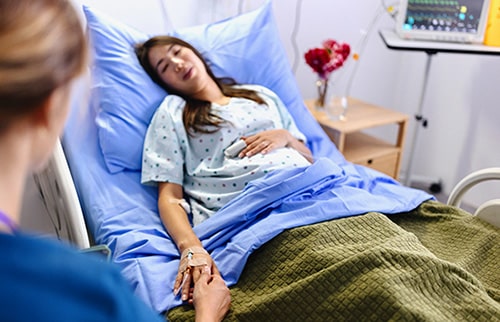
“Discover what happens when C-section anesthesia wears off and how to manage post-delivery pain. Practical tips for new moms.”
You’ve just met your baby. The adrenaline is pumping, emotions are overflowing, and you’re still blissfully numb from the waist down. Then, about an hour or two later, everything changes. The anesthesia begins to fade, and suddenly you remember that you just had major abdominal surgery.
Nobody talks about this moment enough. Between the joy of meeting your newborn and the chaos of those first hours of motherhood, the reality of C-section pain often catches women off guard. Let’s have an honest conversation about what to expect and how to navigate those challenging first hours when the numbness disappears.
Understanding Your C-Section Anesthesia
Most cesarean deliveries use either spinal or epidural anesthesia, both of which numb you from the chest down. Spinal anesthesia works faster and typically lasts two to four hours. Epidural anesthesia can last longer, especially if medications were added during labor.
The important thing to understand is this: while you were numb, surgeons made an incision through multiple layers of your body. They cut through skin, fat, fascia, and muscle, then opened your uterus to bring your baby into the world. After delivery, they stitched everything back together layer by layer.
That’s significant trauma to your body, even though it resulted in the beautiful outcome of your baby’s birth. When the anesthesia wears off, your body isn’t shy about letting you know what just happened.
The First Hour After Numbness Fades: A Timeline
30-60 Minutes Post-Surgery: You might still be in recovery when you start feeling tingling in your legs and lower abdomen. This pins-and-needles sensation is your nervous system coming back online. Some women describe it as waves of feeling returning gradually.
1-2 Hours: This is often when discomfort intensifies. You’re becoming aware of the incision site, and every movement reminds you it’s there. Coughing, laughing, or shifting position might feel impossible. Many women say this period is harder than they expected.
2-4 Hours: If pain medication has been administered and is working effectively, you should start finding a manageable rhythm. The sharp edges of pain might dull to a constant ache. You’re learning how to move in ways that minimize discomfort.
What C-Section Pain Actually Feels Like
Every woman’s experience is different, but here are common sensations new mothers report:
At the incision site: A burning, pulling sensation along the bikini line. Some describe it as feeling like severe muscle strain combined with a deep bruise. The area feels tight and tender.
When moving: Sharp, stabbing pains when you try to sit up, stand, or roll over. Your abdominal muscles have been through trauma, and they protest loudly when asked to work.
Internal discomfort: Cramping similar to intense menstrual cramps as your uterus contracts back to size. These “afterpains” can be surprisingly strong, especially when breastfeeding triggers oxytocin release.
Shoulder or chest pain: This surprises many women. Gas can become trapped under your diaphragm during surgery, causing referred pain in your shoulders. It’s weird and uncomfortable but usually resolves within a day or two.
Comprehensive Pain Management Solutions
Medication Strategies: Your First Line of Defense
The Medication Schedule Approach
This is not the time to be a hero. The hospital will likely offer you a combination of medications, possibly including opioids for the first day or two, then transitioning to ibuprofen and acetaminophen. Take them on schedule, not just when pain becomes unbearable.
Create a medication log on your phone or a notebook. Write down what you took and when. In those sleep-deprived early days, it’s easy to forget whether you took your last dose an hour ago or three hours ago. This prevents accidental double-dosing or missed doses.
Pain medication doesn’t just make you comfortable—it allows you to move, which is crucial for recovery. Movement prevents blood clots, helps your digestive system wake up, and enables you to care for your baby.
Understanding Your Options
Your healthcare team might prescribe a combination approach. Opioid medications handle severe pain but can cause constipation and drowsiness. Ibuprofen reduces inflammation and works differently than acetaminophen, which is why taking them together (when approved by your doctor) can be more effective than either alone.
If you’re breastfeeding and worried about medication transfer, talk openly with your healthcare provider. Most postpartum pain medications are considered safe for nursing, and managing your pain is important for both you and your baby.
Movement and Positioning Solutions
The Bed Exit Technique
Getting out of bed will be your biggest challenge initially. Here’s the step-by-step technique:

Roll onto your side first, bending your knees. Use your arms to push yourself up to sitting while simultaneously swinging your legs off the bed. The momentum of your legs helps pull you upright without engaging your abdominal muscles. Pause in the sitting position before standing—rushing leads to dizziness.
When you need to lie back down, reverse the process. Sit on the edge of the bed, use your arms to lower yourself onto your side, then roll onto your back.
The Pillow Method
Keep pillows everywhere—beside your bed, on the couch, near your nursing chair. When you cough, sneeze, laugh, or stand up, press a firm pillow against your incision. This counterpressure significantly reduces pain and helps you feel more secure.
Some women create a “pillow nest” for sitting that supports their back and allows them to hold their baby without the baby’s weight pressing on their incision.
Walking Your Way to Recovery
As miserable as it sounds, walking is one of your best pain management tools. Start with short walks around your hospital room or home. Yes, it hurts. Yes, you’ll move at a glacial pace. But walking prevents gas buildup, reduces the risk of blood clots, and actually helps your incision heal faster.
Set micro-goals: walk to the bathroom, then to the nursery, then down the hallway. Each successful walk is a victory.
Physical Support Solutions :
Abdominal Binding
Many women find that wearing a postpartum belly band or abdominal binder provides crucial support. It holds everything together when you feel like you might fall apart and can make the difference between excruciating movement and merely uncomfortable movement.
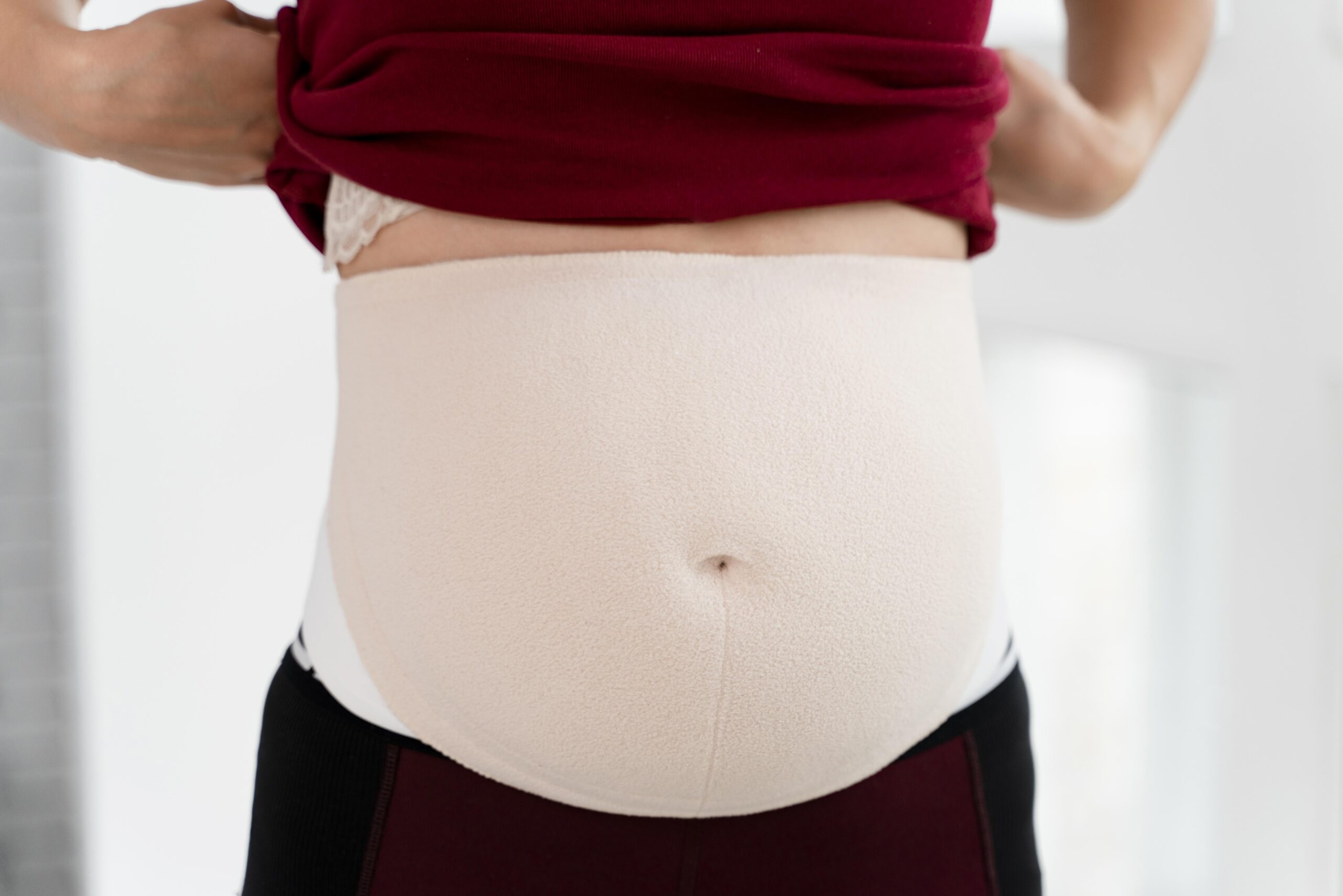
Look for one that’s specifically designed for post-cesarean recovery, with a gentle but firm hold that doesn’t press directly on your incision. Some hospitals provide these; others require you to purchase your own.
Start using it as soon as your healthcare provider approves, typically within the first day or two after surgery.
Ice Therapy
During the first 24 to 48 hours, ice packs can help reduce swelling and numb the area around your incision. Use a thin cloth barrier between the ice and your skin, and apply for 15 to 20 minutes at a time.
Some hospitals provide ice packs specifically designed for postpartum use. At home, a bag of frozen peas wrapped in a thin towel works surprisingly well because it molds to your body.
Proper Sleep Positioning
Sleeping flat on your back might be most comfortable initially. As you heal, you can experiment with other positions. Place a pillow under your knees to take pressure off your abdomen. If you’re a side sleeper, hug a pillow to your chest and place one between your knees for support.
Elevating your upper body slightly with pillows can make breathing easier and reduce pressure on your incision.
Lifestyle and Daily Living Solutions
Stay Ahead of the Pain
Don’t wait until you’re crying to ask for medication. Pain is much harder to control once it peaks. Set alarms on your phone to take medication on schedule, even if it means waking up at night. After the first few days, you can start stretching the intervals if you’re feeling better.
Hydration and Nutrition
Drink water constantly. Hydration helps your body heal and combats the constipation that often comes with both surgery and pain medication. Keep a large water bottle within arm’s reach at all times.
Eat fiber rich foods when you’re cleared to do so. Constipation after a C-section is genuinely painful because straining uses the exact muscles that were cut. Your healthcare provider might recommend a stool softener, take it
What to Eat after C- Section: My Story.
The Art of Asking for Help
You cannot and should not do this alone. In the hospital, press that call button without guilt. Nurses expect to help you and want you to ask. At home, create a specific help list so when people offer assistance, you can give them concrete tasks.
Let others handle diaper changes, laundry, meal preparation, and household tasks. Your job description for the next several weeks has exactly two items: recover from surgery and feed your baby. Everything else is optional or someone else’s responsibility.
Strategic Baby Care Solutions
Feeding Positions for C-Section Moms
Breastfeeding after a C-section requires creativity. The football hold (baby tucked under your arm beside you) keeps weight off your incision.
Side-lying nursing allows you to rest while feeding. Use multiple pillows to bring baby to breast height rather than hunching over.
If bottle feeding, the same principle applies.Bring the bottle to a comfortable position rather than straining to reach your baby
.Breastfeeding Tips After C-Section: A Gentle Guide for New Moms
Baby Handling Techniques
Avoid lifting anything heavier than your baby for the first several weeks. When picking up your newborn, bend at the knees rather than at the waist. Better yet, have someone hand you the baby when possible, especially in those first days.
Keep baby care supplies at waist height so you’re not bending repeatedly. Set up multiple changing stations throughout your home so you’re never far from what you need.
Mental and Emotional Solutions
Realistic Expectations
Adjust your expectations dramatically downward. You will not bounce back quickly. You will not be doing household chores or entertaining visitors. You will spend most of your time resting, feeding your baby, and managing your recovery.
This is temporary. Giving yourself permission to focus solely on healing isn’t selfish but it’s necessary.
Pain Journaling
Keep brief notes about your pain levels throughout the day. Rate it on a scale of one to ten at different times. This helps you identify patterns (pain worse in the morning, better after medication, triggered by certain movements) and provides useful information for your healthcare provider.
It also serves as evidence of your progress. When day four feels terrible, looking back at day one reminds you how far you’ve actually come.
Meditation and Breathing
Deep breathing exercises help manage pain and reduce anxiety. When pain spikes, focus on slow, controlled breaths. Breathe in for four counts, hold for four, exhale for four. This activates your parasympathetic nervous system and can take the edge off discomfort.

Some women find guided meditation apps helpful for those sleepless, painful middle-of-the-night moments.
Environmental Solutions
Organize Your Space
Before you deliver (or have someone do this for you after), set up your recovery space strategically. Everything you need should be within arm’s reach: water bottle, phone charger, medications, snacks, burp cloths, diapers, and that essential pillow.
Create a “command center” on your nightstand or side table. You shouldn’t have to get up for anything except bathroom trips and baby care.
Temperature Management
Some women experience hot flashes or temperature sensitivity after delivery. Have layers available—light blankets, a fan, or a space heater depending on your needs. Being comfortable helps you rest better, which supports healing.
Limit Stairs
If you have a multi-story home, set up a recovery station on one floor and stay there as much as possible for the first week. Climbing stairs strains your incision and exhausts you quickly.
Alternative Comfort Measures
Gentle Massage
Once your incision has healed somewhat (check with your provider), gentle massage around the area can help reduce tightness and improve circulation. Never massage directly on the incision itself, but working on the surrounding areas can provide relief.
Warm Compresses
After the initial 48 hours, some women find warmth more comforting than ice. A warm (not hot) compress on your lower abdomen can ease cramping and muscle soreness. Always keep it away from your incision site until it’s fully healed.
Comfortable Clothing
High waisted underwear is your enemy. Look for underwear that sits well below your incision or use the disposable mesh underwear from the hospital. Loose, soft dresses or nightgowns eliminate waistband pressure entirely.
Invest in nursing tops that don’t require lifting if you’re breastfeeding. Every small convenience matters when movement is painful.
Remember, these solutions work best in combination. Pain management after a C-section isn’t about finding one magic fix—it’s about creating a comprehensive approach that addresses physical pain, supports your recovery, and helps you care for your baby while your body heals.
The Emotional Component Nobody Mentions
Here’s something that deserves acknowledgment: experiencing significant pain while trying to bond with and care for your newborn is emotionally complex.
You might feel frustrated that you can’t easily hold your baby or respond to their needs immediately. You might feel guilty for needing so much help. You might be overwhelmed by managing pain while learning to breastfeed and recovering from birth.
These feelings are valid and normal. A C-section is major surgery, and recovering while caring for a newborn is legitimately difficult. Give yourself enormous grace during this time.
When to Call Your Healthcare Provider
While pain is expected after a C-section, certain signs indicate something beyond normal recovery:
- Fever above 100.4°F (38°C)
- Incision that’s increasingly red, swollen, or oozing
- Pain that worsens significantly after the first few days rather than gradually improving
- Foul-smelling discharge from your incision or vaginal bleeding
- Severe headache that worsens when sitting or standing
- Pain in one leg significantly worse than the other, with swelling and redness
- Difficulty breathing or chest pain
Trust your instincts. If something feels wrong, it’s always better to call and be reassured than to wait and regret it.
The Recovery Curve: What to Expect
Days 1-3: The hardest days. Pain is significant, movement is challenging, and everything feels overwhelming. This is temporary, even though it doesn’t feel like it.
Days 4-7: You’ll notice improvement. Getting out of bed becomes less daunting. You might reduce pain medication or switch to over-the-counter options.
Weeks 2-4: Most daily activities become manageable again. You’ll still feel tender and tire easily, but the acute pain phase has passed.
Weeks 6-8: Your postpartum checkup will likely clear you for normal activities. Many women feel significantly better by this point, though complete internal healing takes longer.
Finding Your New Normal
That first hour or two when anesthesia wears off can feel brutal, but it’s just the beginning of your recovery story, not the entire chapter. Each day brings measurable improvement. The sharp pain dulls to discomfort, then to occasional twinges, then eventually fades into memory.
Remember that healing isn’t linear. You might feel great one day and exhausted the next. That’s normal. Your body is simultaneously recovering from surgery and adjusting to the massive hormonal shifts of postpartum life while sustaining another human being.
You’re Stronger Than You Know

Bringing a baby into this world via C-section is no small feat. You’ve undergone major surgery and emerged on the other side with a precious new life to care for. The pain you’re experiencing is real, significant, and deserves to be acknowledged and treated.
Be patient with yourself. Accept help without guilt. Take the pain medication. Rest when you can. And remember that thousands of women have walked this path before you and come through the other side.
That moment when the anesthesia wears off is tough, but you’re tougher. You’ve got this, mama. One hour, one day, one small victory at a time.
Leave a Reply