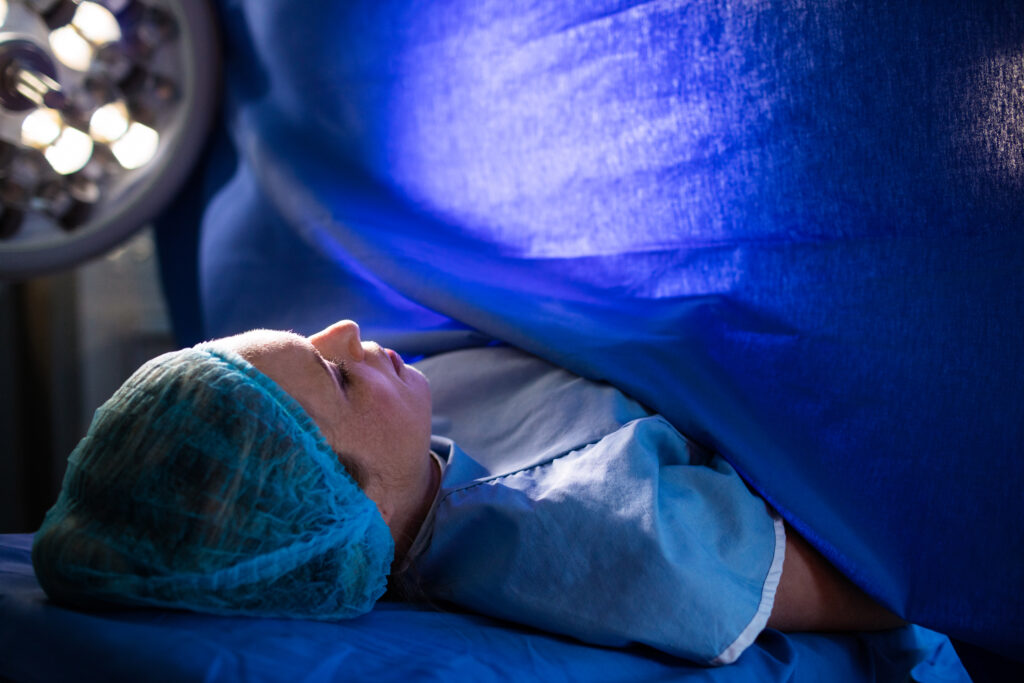
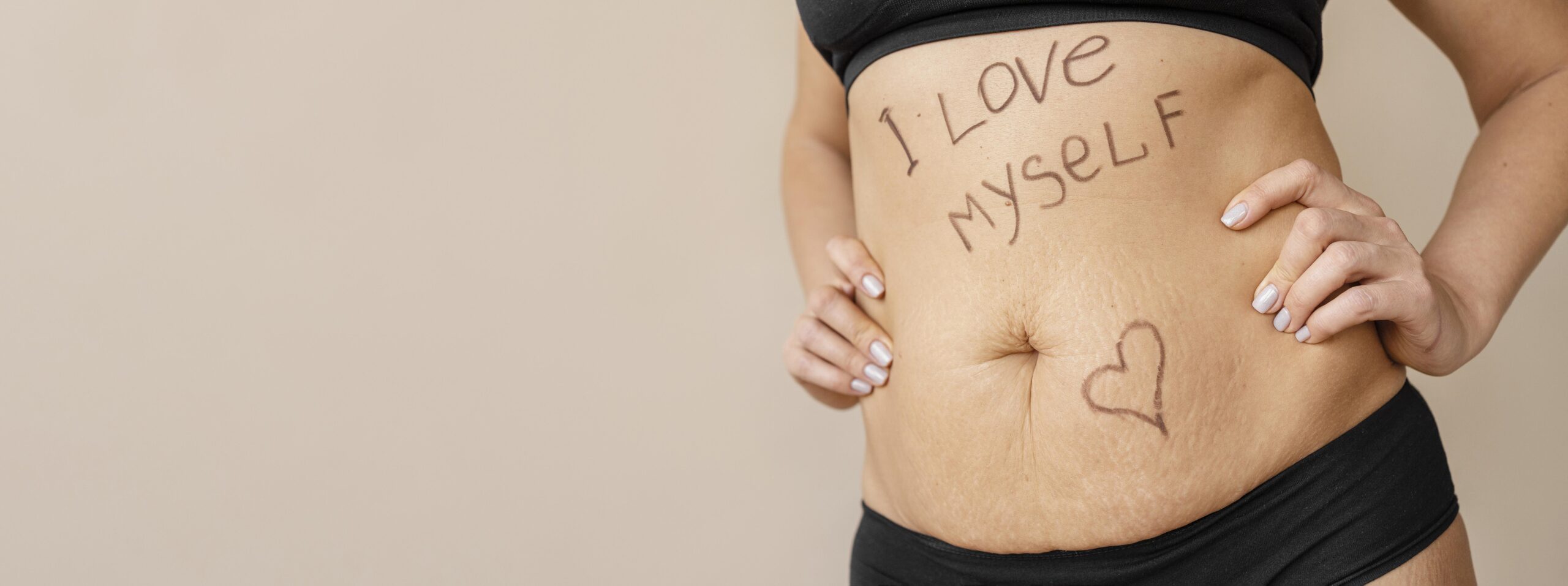
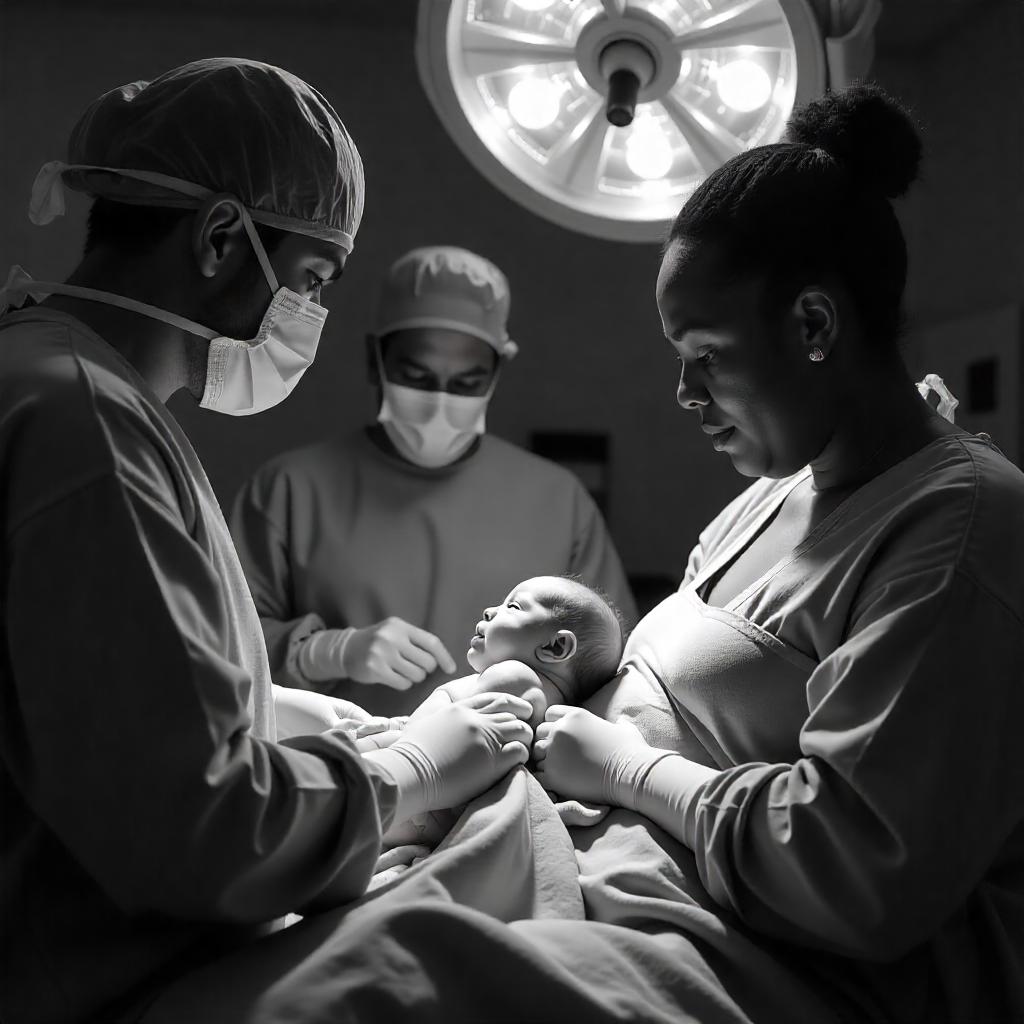
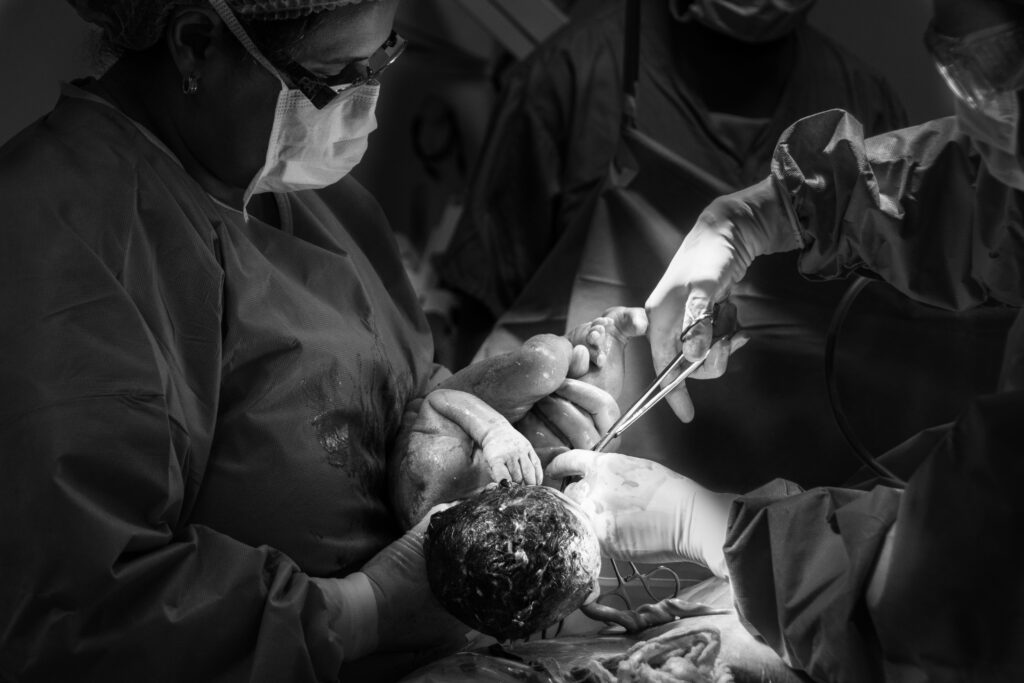
C-section is a major surgery in which the baby is taken out by making an incision in a woman’s lower abdomen. During a C-section, an incision is made through seven layers of skin. I Had two C- Section In my life So I share my diet during C-Section:
Introduction :
One of the greatest life changing events for a woman is becoming a mother. However, nothing can prepare us for the flurry of feelings, getting back to strength , and recovery that follows childbirth, regardless of how prepared we believe we are.
This journey was especially challenging for me because I had a C-section for delivery. Even though C-sections are now safer because to modern treatment but healing is still difficult.
Sometimes C- Section is the most painful and tragic incident in the women’s life. After C- Section , Several questions arises in Women,s mind , One of the question is WHAT TO EAT.
Here i want to share my story : what I ate, what I avoided, and how cultural method combined with modern medical advice supported my recovery.
What I Ate :
The Immediate Days After My C-Section:
The first few days after surgery were the hardest. My body felt weak, stitched, and sore. Moving even slightly required help. During this time, my appetite was almost nonexistent .
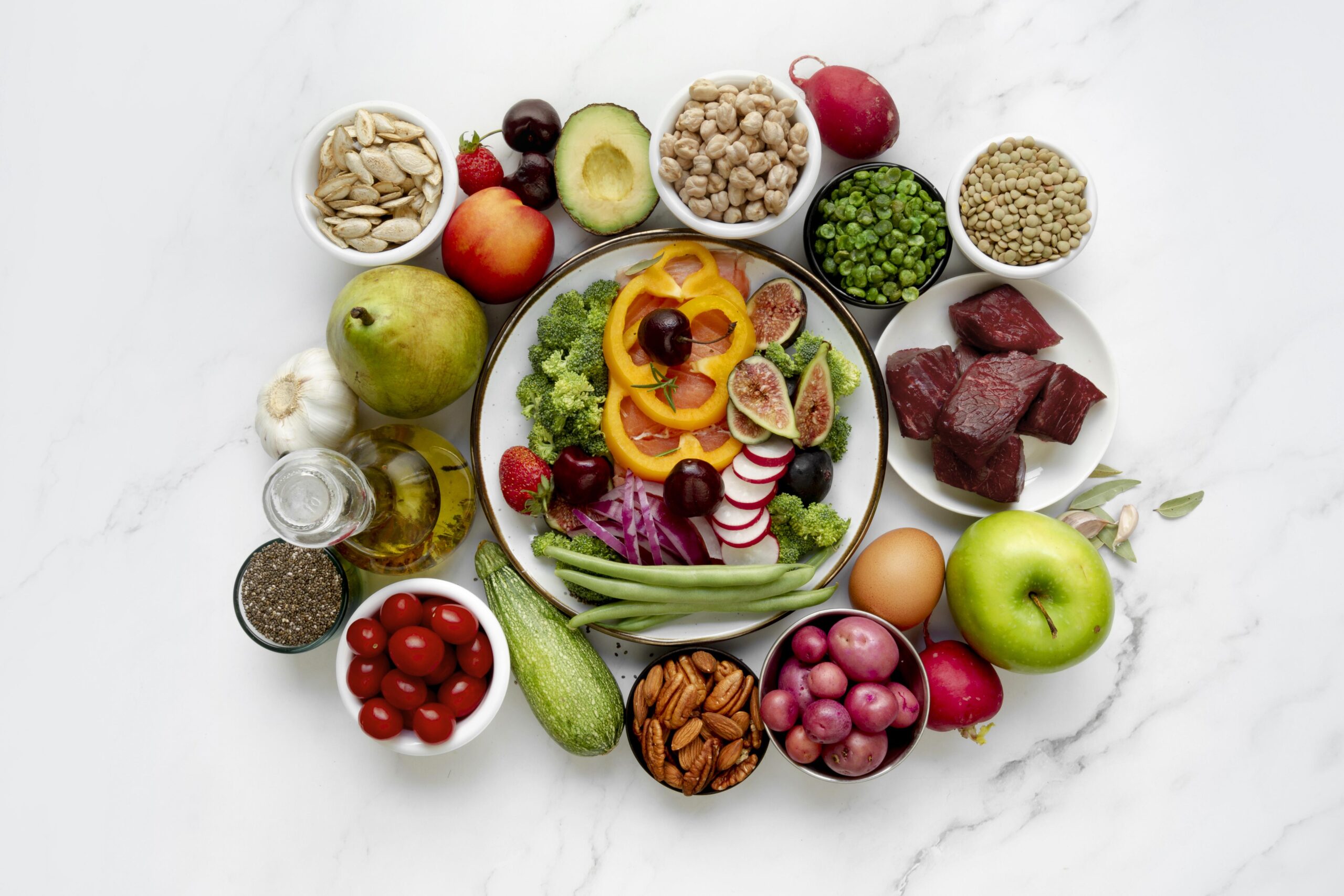
In the hospital, I was first given light, easy-to-digest foods. Soups and Khichdi were encouraged because they were gentle on my digestive system. Since anesthesia and painkillers can slow down digestion, the doctors advised against heavy, oily, or fried foods initially.
Week 1:
The most important thing in the first week is your stool. Your tight stool can cause a lot of pain in your stitches. Therefore, you should eat khichdi or any liquid food.Take alot of fruits from the very first week. This can make your stool soft and also doctor give me some medicines for stool softener.
I really go with this but I face some constipation problem also so this problem overcome in three to four days.
Mothers are frequantly stay away from cold foods and beverages in Asian cultures. This view is based on the idea that cold foods can increase pain and interfere with the body’s natural healing process. I initially believed it to be only a cultural superstition, but drinking warm water with ginger in it genuinely made me feel more at ease and relaxed.
Week 2 :
My first advice is that stay hydrated. In the second week also when stool is passed there is pain in the stitches. So you should take light and nutritious food. I started the second week with fruits , dal-roti, khichdi , ( an Indian food ), cottage cheese and along with that you can also take lots of ghee and atleast one time boiled egg.
WEEK 3:
My third week starts with dryfruit mix ( Sanda) with milk. This dryfruit mix give my body extra healing power . But I continued with fruits ,dal ,roti , khichdi ( an Indian food ), cottage cheese and boiled egg. I also take warm water from the very first day till the last week .
WEEK 4 :
I continued with the week 3 food and now I start with some nonveg also but not on regular basis .But I haven’t take any packet food or any food from outside . I only ate home cooked food and warm water. After this week I eat everything and avoid the fast food.
What I Avoided :
Just as important as what I ate was what I avoided. Asian postpartum traditions often emphasize staying away from certain foods during recovery. While some may sound strict, I found they made sense:
Cold or refrigerated foods : Ice cream, cold drinks, and chilled water were avoided. They are thought to cause “cold energy” in the body and slow healing.
Fried and greasy foods : Hard to digest and heavy on the stomach.
Spicy foods : Can cause acidity and may upset the baby’s stomach through breast milk.
Gas-producing foods : Foods like cauliflower, chickpeas, and beans were limited initially to avoid bloating.
Conclusion:
My C-section journey taught me the importance of mindful eating in postpartum recovery. The food I ate was not only about calories but about healing, comfort, and tradition. In Asian culture, we treat postpartum as a sacred time where a mother is nurtured just as much as the newborn.
At Last :
My doctor told me to eat everything. But I wanted to eat this kind of food, it was completely my decision. This is just a general suggestion, you can take advice from your doctor about your food.
Welcoming a new baby is an incredible journey, and if you’ve had a cesarean section, you’re now navigating the healing process of your C-section scar. C-section scars are a natural part of recovery after a caesarean delivery. In the first few weeks, the scar may look red, swollen or itchy, but with proper care, it gradually fades and blends into the skin over time. This article explains the expected progression of a C-section scar from the first days after surgery to one year later. It also provides practical and easy-to-follow care guidelines, such as keeping the incision clean, wearing comfortable clothes, avoiding heavy lifting, moisturising after healing and protecting the scar from the sun. We also look for important warning signs such as infection or abnormal swelling and when to seek medical advice. With patience, self-care and proper guidance, most C-section scars heal beautifully. This blog post provides reassurance, recovery tips and expert-backed advice for a smooth recovery after a C-section.
A number of mothers describe the problems that come with a C-section. While this surgical procedure can save one’s life, it does leave behind a lifelong reminder in the form of an incision.
Let’s find out how we can take care of our scars
Expected Features of the Scar :
The incision from a C-section will, in most cases, be made just above the bikini line and across the lower abdomen horizontally (also called a bikini cut). It is marked by 4 to 6 inch scars. Exceptions do apply, for example in some medical cases vertical incisions might be preferred.
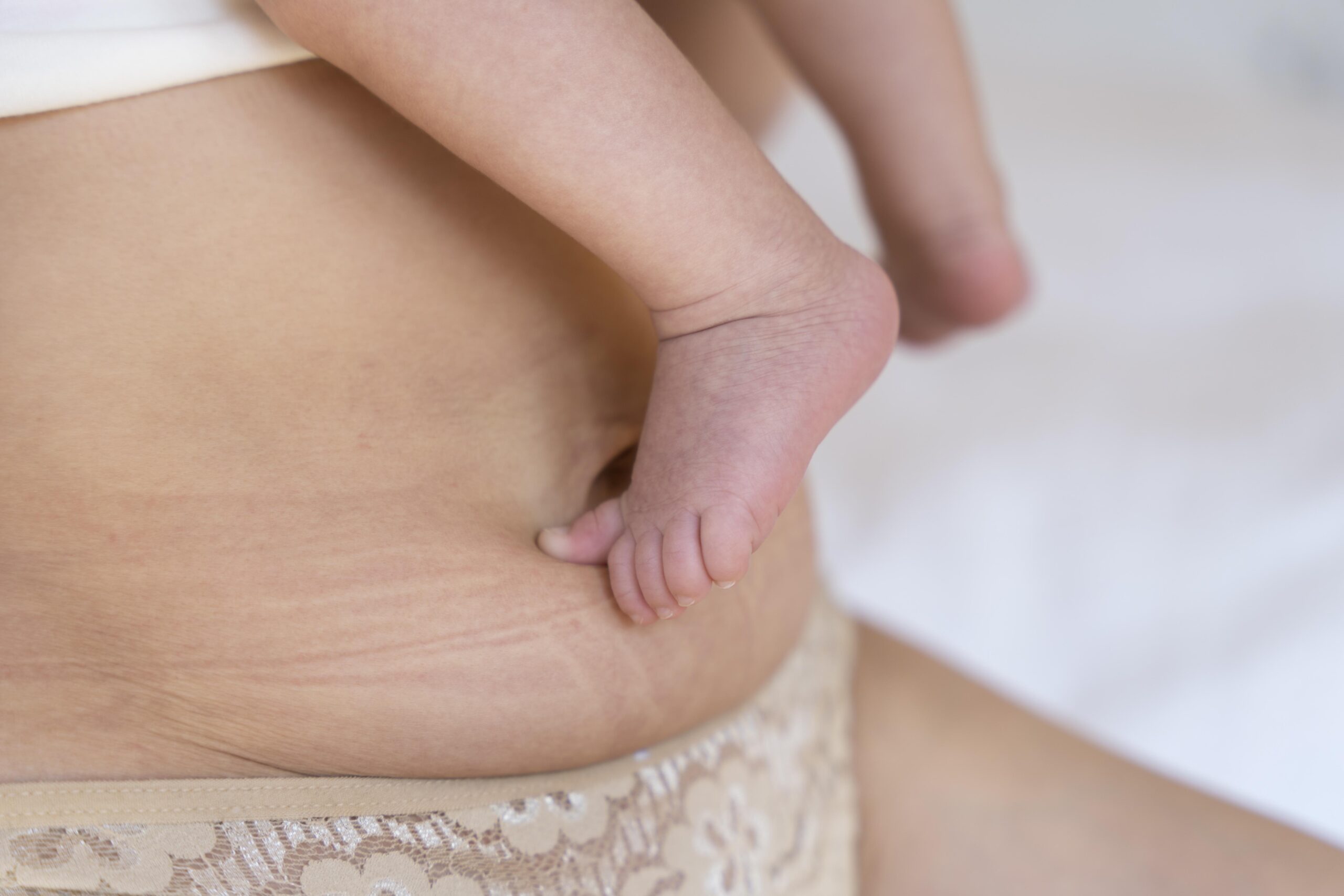
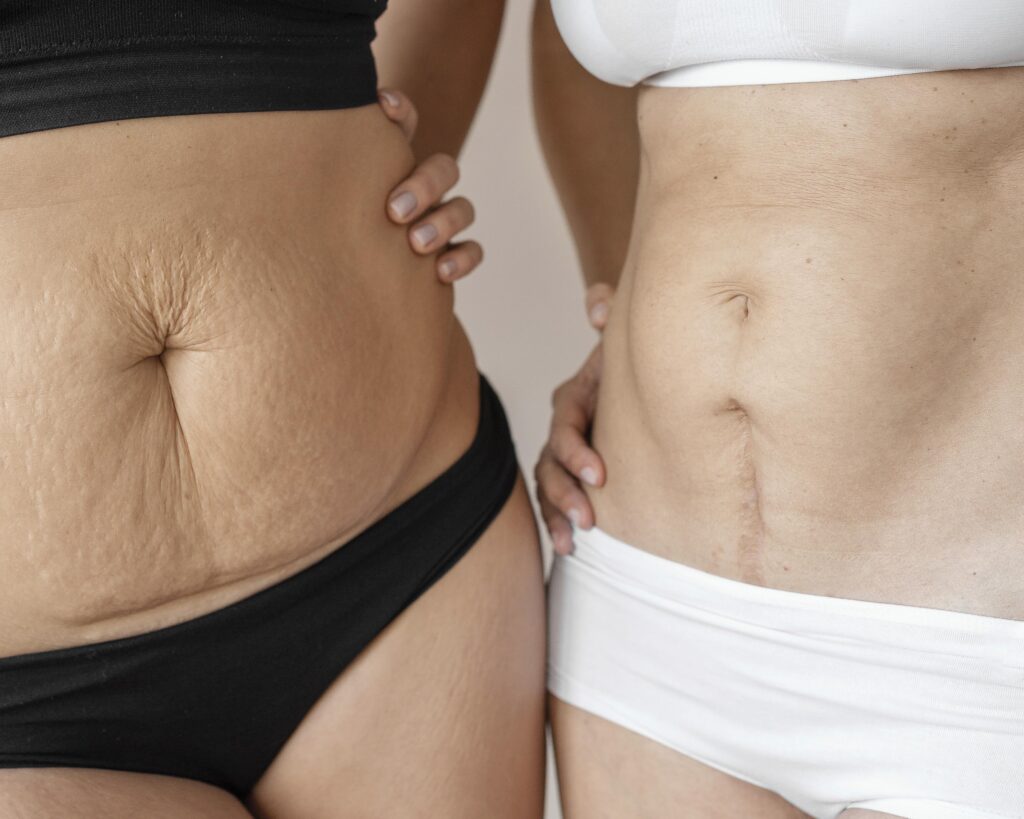
The area will remain red and swollen and also look like injury in some cases throughout the surgery. C-section scars tend to heal and slowly become less raised and fainter until they reach a point where they resemble thin pale lines. It is common for each one to heal differently, though.
What Does Normal C-Section Scar Healing Look Like?
Your C-section scar will go through several distinct phases as it heals. Here’s what you can expect during your recovery timeline:
Immediate Post-Surgery (0-2 weeks)
Appearance: The incision will be covered with surgical tape, staples, or stitches
Color: Red or pink, possibly with some bruising around the edges
Sensation: Numbness, tingling, or tenderness around the incision site
Length: Typically 4-6 inches long, just above your pubic hairline
Early Healing (2-6 weeks)
Appearance: The wound edges begin to close and knit together
Color: May appear darker red or purple as blood flow increases to the area
Texture: Slightly raised and firm to the touch
Sensation: Some itching is normal as nerves begin to regenerate
Continued Progress (6 weeks-6 months)
Appearance: The scar begins to flatten and fade
Color: Gradually lightens from red/purple to pink
Texture: Becomes softer and more flexible
Sensation: Numbness may persist but often improves over time
Long-term Healing (6 months-2 years)
Final appearance: Most scars fade to a thin, pale line
Flexibility: Should move naturally with your body
Sensation: Some areas may remain permanently numb, which is normal
Essential C-Section Scar Care Guidelines
Proper scar care can significantly impact your healing process and final results. Follow these evidence-based guidelines:
Keep It Clean and Dry
Gently wash the area daily with mild soap and water
Pat dry completely with a clean towel
Avoid soaking in baths, pools, or hot tubs until your doctor gives clearance
Change dressings as directed by your healthcare provider
Support Your Healing
Wear supportive garments: A postpartum belly band can provide gentle compression and support
Mind your movements: Avoid heavy lifting (typically nothing over 10 pounds initially)
Get adequate rest: Your body needs energy to heal
Stay hydrated and eat well: Proper nutrition supports tissue repair
Monitor for Complications
Contact your healthcare provider immediately if you notice:
Increasing redness, warmth, or swelling around the incision
Pus or unusual discharge
Separation of wound edges
Fever over 100.4°F (38°C)
Severe or worsening pain
Advanced Scar Care Techniques
Once your incision has fully closed (usually around 6-8 weeks), you can incorporate these techniques to optimize healing:
Scar Massage
Use gentle circular motions with a moisturizer or scar cream
Start with light pressure and gradually increase as tolerated
Massage for 5-10 minutes daily to improve flexibility and reduce adhesions
Silicone Products
Silicone sheets or gels can help flatten and fade scars
Apply as directed, typically for several hours daily
Many women see improvement after consistent use for 2-3 months
Sun Protection
Always protect your scar from UV exposure
Use SPF 30+ sunscreen or keep the area covered
Sun exposure can cause permanent darkening of scar tissue
When to Consider Professional Treatment
While most C-section scars heal well with basic care, some situations may benefit from professional intervention:
Keloid or hypertrophic scars: Raised, thick scars that extend beyond the original incision
Persistent pain or adhesions: Ongoing discomfort or movement restrictions
Cosmetic concerns: If you’re unhappy with the scar’s appearance after 12-18 months
Treatment options may include steroid injections, laser therapy, or surgical revision. Always consult with a qualified healthcare provider or dermatologist to discuss your options.
Embracing Your Healing Journey
Remember that every woman’s healing journey is unique. Factors like genetics, age, skin type, and overall health can all influence how your scar heals. Some scars fade to nearly invisible lines, while others remain more visible – both outcomes are completely normal.
Your C-section scar represents an incredible journey and the strength of your body. With proper care, patience, and realistic expectations, most women find their scars heal well and cause minimal long-term issues.
Final Thoughts
Healing from a C-section takes time both physically and emotionally. Be patient with yourself and don’t hesitate to reach out to your healthcare team with questions or concerns. Your body has accomplished something amazing, and with the right care and attention, your scar will heal as part of that incredible story.
Always consult with your healthcare provider before starting any new scar treatment regimen. This information is for educational purposes and should not replace professional medical advice.
Cesarean sections, commonly known as C-sections, are one of the most misunderstood medical procedures in childbirth. Despite being performed millions of times worldwide each year, countless myths and misconceptions continue to circulate, leaving new mom confused and sometimes afraid.
If you’re pregnant or planning to become pregnant, you’ve probably heard or whispers about C-sections from well-meaning friends, family members, or even strangers on the internet. Some of these stories might have left you worried, while others might have given you false hope about what to expect.
INTRODUCTION
Nowadays, when doctors mostly give importance to C-section during pregnancy, a big question is raised on the capability of doctors. This society raises questions not only on doctors but also on the woman. There are many questions in our society regarding C-section.
Let’s dive deep into the most persistent C-section myths and uncover what science and medical experts actually tell us. These myths give rise to feelings like anxiety, fear and disappointment in women. Here are some myths:
C- Section is an easy way to deliver a baby:
The Reality: This might be the most hurtful myth of all. A cesarean section is major abdominal surgery that requires cutting through seven layers of tissue to reach your baby. There’s nothing “easy” about it.
Recovery from a C-section typically takes 6-8 weeks, compared to 2-4 weeks for vaginal delivery. During this time, mothers face restrictions on lifting, driving, and even climbing stairs. The incision site requires careful attention to prevent infection, and the healing process can be both physically and emotionally challenging.
Moreover, many women who undergo C-sections don’t choose it out of convenience , it’s often a medical necessity. Reasons can include fetal distress, breech possition, placenta previa, or complications during labor.
In other cases, women may have a planned C-section due to previous surgeries or health conditions. Calling it the “easy way out” minimizes the physical and emotional strength required to undergo this procedure.
2. Normal delivery is never possible after C section:
This is a myth created by society. If you have had a C-section in your first pregnancy, there are chances of a normal delivery in the second time. Discuss with your doctor.
3. You can’t breastfeed after C-Section:
The Reality : C section mothers can breastfeed very well after the operation. There will be some challenges in the beginning but you can manage it very well.
The reason for delay in breastfeeding is pain due to stitches after C section, inability to sit properly but if you have support then you can breastfeed. There is some challenge in the initial days but milk starts getting produced.
Many hospitals now support immediate skin-to-skin contact, even during a C-section, and lactation consultants can help you find a suitable position with your healing incision.
4. C-Sections Are Only Done for Convenience.
The Reality: While elective C-sections do exist, the vast majority are performed for medical reasons. Common medical indications include:
Maternal health conditions (severe preeclampsia, heart conditions)
Previous uterine surgery
Prolonged labor or failure to progress
Fetal distress during labor
Even when a C-section is planned in advance, there’s usually a solid medical reason behind the decision. Your doctor isn’t suggesting major surgery for fun infact they’re prioritizing the safety of both you and your baby.
5. Doctors want to make money:
It is a big misconception that doctors must have performed C- Section for money. As C – Section is a costilier surgery so you often hear relatives saying that ‘doctors were made to do it for money’. But this is not true as doctors always do what they think is safe for the life of the mother and the baby. There are many conditions that do not support vaginal birth. Therefore, it is wrong to blame doctors.
6. You can’t bond with your baby after C- Section :
It is not possible to pick up your baby immediately after delivery due to the stitches. But gradually you can pick up your baby and feel him. Do not be disappointed because you definitely bond with your baby.
7. C-Section Recovery Is Quick and Painless :
The Reality : C-section recovery is very challenging in the initial days.
Incision pain that can last several weeks
Difficulty moving, especially getting in and out of bed
Restrictions on lifting anything heavier than your baby
Potential complications like infection or blood clots
Emotional adjustment to the surgical experience
The first few days are typically the most difficult, but full recovery takes time. Many women start to feel better 6-8 weeks after delivery, although everyone’s timeline is different.
8.C-Sections Prevent All Labor Pain :
The Reality : This is not true at all because if you do not have a planned C-section then you will definitely experience contractions of labor pain.
The pain of C-section occurs after the operation is done. After surgery, you’ll have incision pain, cramping as your uterus contracts back to size, and potentially shoulder pain from the gas used during surgery. Pain medication helps, but it doesn’t eliminate discomfort entirely.
9.C-Section Scars Are Always Huge and Ugly:
Modern C-section techniques have come a long way. Most incisions are made on the lower abdomen, just above the pubic hairline, where they are naturally hidden. These “bikini cuts” usually heal well and become barely visible over time.
Scars are most noticeable in the first few months after surgery, but usually fade significantly within a year. Proper wound care, avoiding sunlight on the healing incision, and sometimes the use of scar treatments can help the wound heal faster.
10.Natural Birth Is Always Better :
THE REALITY : The “best” birth is one in which both mother and baby are born safely and healthy. Sometimes this is a vaginal birth, and sometimes a C-section. The term “natural birth” itself can be problematic, implying that a C-section is somehow unnatural or inferior. Every birth story is different, and the most important thing is that families have access to safe and appropriate medical care when they need it.
Making Informed Decisions :
Understanding the facts about C-sections helps you make informed decisions about your birth plan while preparing for different situations. Here are some steps:
Talk to your healthcare provider about your personal risk factors and preferences. Ask questions about their philosophy regarding C-section rates and interventions.
Consider your medical history, including previous surgeries, pregnancy complications, or health conditions that may affect your delivery method.
Be prepared for a range of situations by learning about both vaginal delivery and C-section recovery. Resilience is key in childbirth.
Build a support network of family, friends, and healthcare providers who respect your decisions and can help during recovery.
Focus on the goal – Bringing your baby into the world safely is what matters most, no matter how that comes.
The Bottom Line :
Myths about C-sections persist because birth experiences are extremely personal and emotional. Stories are passed down from generation to generation, and often become more dramatic with each telling. C- Section aren’t easier or more difficult than vaginal births but they’re different. They aren’t always avoidable or necessary . They don’t make you a weak mother or your baby weaker . As they’re simply a safer way to bring babies into the world. If you’re facing the prospect of a C-section, remember that millions of healthy babies are born this way each year. Focus on finding healthcare providers you trust, asking questions when you go into labor, and preparing for recovery. Most importantly, be kind to yourself throughout the process. Your birth story whatever it is yours and you should be proud of it. Don’t let myths and misconceptions derail the incredible journey of bringing new life into the world
You brought life into this world. That’s all that matters.
Dear mama, if you’re reading this with tears in your eyes, wondering if you somehow “failed” because your baby arrived via C-section, let me start with this truth: You did not fail. You succeeded in the most magnificent way possible.
Introduction:
In earlier times, vaginal birth was very common. But in today’s decade, birth through C-section has become very common. Whereas C-section is a life saving technique and is also medically necessary. Most women live with guilt after C-section.
Why this guilt? In this society, vaginal birth is given a lot of importance. Women are told that their body is made for birth only and when they undergo C-section, they feel like a failure. But the truth is that C-section is not a shortcut, it is a courageous act.
The Silent Burden Every C-Section Mom Carry :
You’re holding your precious newborn, feeling the overwhelming rush of love, when someone casually asks, “Was it a natural birth?” The innocent question hits like a dagger. Suddenly, you’re explaining, justifying, defending a medical procedure that saved lives yours, your baby’s, or both.
Sound familiar? You’re not alone.
THE ORIGIN OF THE GUILT:
Guilt mostly comes from society. Society has painted a picture that there’s only one “right” way to give birth. Especially if there is someone in the family who has had a normal delivery, then expectations and external pressure also increase.
Social media also highlights natural birth. Women who go into pregnancy also want to have a natural birth, so when reality deviates. Particularly at that moment when the surgery is taking place, there is a feeling of a huge failure and disappointment.
The Raw Truth About C-Section Guilt:
It Steals Your Joy :
Guilt doesn’t just hurt—it robs you of precious moments. While you should be marveling at your baby’s tiny fingers and toes, you’re questioning your body’s capabilities. While you should be celebrating becoming a mother, you’re mourning a birth experience you never had.
It Creates Unnecessary Shame :
You find yourself prefacing your birth story with explanations: “I had to have a C-section because…” or “It wasn’t planned, but…” Why are we apologizing for medical procedures that ensured safe deliveries?
It Damages Your Confidence :
That guilt whispers lies: “Your body failed.” “You’re not as strong as other mothers.” “You took the easy way.” These toxic thoughts can affect your confidence as a new parent when you need it most.
The Easy Way Out” Myth :
“Oh, you had a C-section? That must have been easier.”
Easier? Let’s talk about what’s actually “easy” about:
Major abdominal surgery
6-8 weeks of recovery
Being unable to lift your own baby without wincing
Navigating stairs like they’re Mount Everest
Fighting infection risks while caring for a newborn
C-section is not an easy task to give birth to a baby. It is a major abdominal surgery which involves a lot of risk. The woman needs a full time supporter. After C-section, the woman becomes physically and mentally weak in the initial days. The emotional recovery from c- section is also very complex.
The act of bringing a child into the world no matter how it happens requires immense strength, courage, and resilience. Whether it’s enduring 36 hours of labor followed by an emergency C-section, or walking into an operating room filled with unknowns, a mother’s bravery is unquestionable.
Your Body is Not Broken—It’s Incredible
Your body grew a human being for nine months. It nurtured, protected, and sustained life. When the time came for delivery, it worked with medical professionals to ensure the safest possible outcome.
That’s not failure. That’s adaptation. That’s strength. That’s love in action.
Some bodies push babies out. Others need surgical assistance. Both are natural responses to the complex process of birth. Both deserve celebration, not judgment.
Rewriting Your Birth Story
From Guilt to Gratitude :
Instead of focusing on what didn’t happen, celebrate what did:
You made countless sacrifices during pregnancy
You endured surgery to protect your baby
You’re healing while caring for a newborn
You chose safety over idealism
From Shame to Strength :
Every C-section scar tells a story of courage. It’s physical proof that you would do anything—endure anything—for your child’s wellbeing. That’s not weakness; that’s the fiercest kind of love.
What Other Moms Want You to Know :
“I felt guilty for months until I realized: my daughter is healthy and happy. How she arrived doesn’t change how much I love her or how good a mother I am.” – Sarah M.
“The guilt was eating me alive until my own mother said, ‘You think I love you less because you were born via C-section?’ That changed everything.” – Priya K.
“I stopped feeling guilty when I realized I’d rather have my son here safely via C-section than not have him at all.” – Michelle R.
A Message to Every C-Section Mother
You are not less of a woman because you had a C-section.
You are not less of a mother because you didn’t deliver vaginally.
You are not weak because you needed surgical intervention.
You are a warrior who fought for her child’s life.
You are a protector who chose safety over preference.
You are a mother who would move mountains for her baby.
AND THAT BEAUTIFUL MAMA IS EVERYTHING
FINAL THOUGHTS:
A C – Section cannot define the strength of the mother. Whether your baby comes from C – section or through vagina , the result is that you bring a life into this world. That is beautiful and which is enough.
You made life-and-death decisions. You trusted medical professionals. You prioritized your baby’s health over your birth preferences. These are signs of incredible strength and wisdom, not inadequacy.
So mothers don’t carry guilt in your heart , release it as soon as possible. There is not any right way to give birth . There is only your way and it was exactly what your baby needed.
The next time someone asks about your birth experience, hold your head high. You don’t owe anyone explanations, justifications, or apologies. Your birth story is valid, valuable, and worth celebrating.
Because at the end of the day, the only measure of a successful birth is this: a healthy baby and a healthy mama.
Everything else is just noise.
Remember: You are enough. You were enough. You will always be enough. Your worth as a mother isn’t determined by how your baby was born—it’s determined by the love you give every single day after.
What I wish someone had whispered in my ear before I left the hospital…
You’ve just survived major abdominal surgery AND brought a human into the world. You’re basically a superhero. But here’s the plot twist nobody prepared you for: the real adventure is just beginning, and the recovery “advice” you’ve been getting? It’s probably missing the most important parts. journey.
Forget the sugar-coated pamphlets and well-meaning but vague advice from relatives. After talking to dozens of C-section moms and diving deep into what actually works (not just what sounds nice), I’m about to share the recovery secrets that can make the difference between struggling through six weeks of misery and actually thriving during your healing
Recovery After C- Section
In today’s time, C-section has become a very common thing. Most women also prefer C-section over normal delivery. You do not have to bear much pain in C-section, but after it you may have to go through some complications. C- Section recovery is not an easy go journey. Its recovery time is also much longer than normal delivery.
The Shocking Truth About C-Section Recovery
Here’s what nobody tells you: C-section recovery isn’t just about waiting for your incision to heal. It’s about mastering a completely different way of living, moving, and thinking about your body for several weeks. And the moms who recover fastest? They’re the ones who know these insider secrets.
The reality check: While everyone’s focused on your cute baby, your body is simultaneously healing from surgery, potentially breastfeeding around the clock, running on broken sleep, and dealing with a hormone crash that would make a teenager’s mood swings look subtle. No pressure, right?
Let’s know what we can do so that recovery can happen quickly.
Secret #1: The “Splinting” Technique That Changes Everything
This single technique will be your best friend for the first few weeks, yet most hospitals barely mention it.
What it is: “Splinting” means supporting your incision with pressure when you cough, sneeze, laugh, or get up from lying down. But here’s the secret part – it’s not just about holding your belly.
The game-changer: Use a small pillow or rolled-up towel pressed firmly against your incision site. When you need to cough or sneeze, hug that pillow tight against your belly and lean slightly forward. When getting up from bed, roll to your side first, then use your arms to push yourself up while keeping that pillow pressed to your incision.
Why it works: This technique reduces the pulling sensation by up to 70% and actually helps your muscles remember how to engage properly as they heal.
Secret #2: The “Reverse Recovery” Mindset That Accelerates Healing
Most people think recovery is about doing less. The moms who bounce back fastest think about it completely differently.
The traditional approach: Rest as much as possible, avoid all activity, wait for your body to heal.
The secret sauce: Strategic, gentle movement from day one that actually speeds up healing. Your body heals faster when blood flows properly, and gentle movement is what keeps everything circulating.
What this looks like:
Day 1-3: Slow walks to the bathroom become slow walks around your room
Week 1: Short walks around your house become brief outdoor strolls
Week 2-3: Walking becomes your daily non-negotiable, even if it’s just 10 minutes
The counterintuitive part: The more you move (within reason), the less stiff and painful you’ll feel. Moms who embrace gentle movement report feeling “more like themselves” weeks sooner than those who stay completely sedentary.
Secret #3: The Ice Pack Hack That Stops Pain Before It Starts
Pain management isn’t just about popping pills when you’re already hurting. The smartest moms use this timing trick to stay ahead of the pain curve.
The secret timing: Apply ice to your incision area for 15-20 minutes every 2-3 hours for the first week, but here’s the key – do it BEFORE you feel pain building, not after.
Why it’s genius: Ice doesn’t just numb pain; it actually reduces the inflammatory response that causes pain in the first place. By staying ahead of inflammation, you need fewer pain medications and feel more comfortable overall.
Pro tip: Make several ice packs ahead of time using frozen peas in pillowcases. They conform to your body better than hard ice packs and are always ready to go.
Secret #4: The Sleep Position That Actually Works (And It’s Not What You Think)
Everyone tells you to “sleep when the baby sleeps,” but nobody explains HOW to sleep when your entire core feels like it’s been rearranged.
The secret position: Semi-reclined with strategic pillow placement. You’ll need 4-5 pillows, and here’s exactly how to arrange them:
Behind your back: Supports you at a 30-45 degree angle
Under your knees: Reduces pressure on your incision
On each side: Supports your arms and prevents rolling
Small pillow on your chest: Perfect for supporting baby during night feeds
Why it works: This position minimizes the abdominal muscle engagement needed to get comfortable and get up, while keeping you elevated enough to breathe easily and feed your baby without straining your incision.
Secret #5: The Nutrition Strategy That Speeds Healing by 40%
Your post-surgery meal plan should look nothing like your regular diet. Here’s what your body actually needs to heal faster.
The secret formula: Every meal should have protein, healthy fat, and anti-inflammatory foods. But here’s the part nobody emphasizes – TIMING matters as much as content.
The healing power foods:
Protein at every meal: Your body needs constant building blocks for tissue repair
Collagen-rich foods: Bone broth, salmon, eggs help rebuild tissue strength
Healthy fats: Avocado, nuts, olive oil support hormone production
The timing secret: Eat every 3-4 hours, even if it’s small amounts. Your healing body can’t wait for “normal” meal times, and steady nutrition keeps your energy stable while supporting tissue repair.
Secret #6: The Emotional Recovery Plot Twist No One Prepares You For
Here’s what catches most women completely off guard: the emotional recovery often takes longer than the physical healing, and that’s completely normal.
The surprising truth: Many C-section moms experience a complex mix of relief, disappointment, gratitude, and grief about their birth experience. Add sleep deprivation and hormonal changes, and it’s an emotional perfect storm.
The secret to emotional healing:
Acknowledge the complexity: Your feelings about your C-section can be contradictory and that’s okay
Reframe your story: Your body made an incredible adaptation to safely deliver your baby
Connect with other C-section moms: They understand the unique experience in ways others can’t
Red flag emotions to watch for: If feelings of sadness, anxiety, or disconnection persist beyond 2-3 weeks, reach out to your healthcare provider. Postpartum depression and anxiety are treatable, and getting help early makes a huge difference.
Secret #7: The 6-Week Appointment Reality Check
Your 6-week appointment isn’t graduation day – it’s actually just the beginning of your real recovery phase.
The secret nobody mentions: “Cleared for normal activity” doesn’t mean you’re back to your pre-pregnancy strength. It means your incision has healed enough for gradual activity progression.
What “cleared” actually means:
Exercise: Start with walking and gentle stretching, gradually building intensity over weeks
Lifting: Begin with light weights, listen to your body’s response
Intimacy: Physical clearance doesn’t equal emotional readiness – both are important
The real timeline: Most women don’t feel “completely back to normal” until 3-6 months post-surgery, and that’s perfectly healthy and expected.
Your Personal Recovery Action Plan
Week 1-2: Foundation Phase
Master the splinting technique for all movement
Establish your ice pack routine
Set up your sleep sanctuary with proper pillow arrangement
Focus on protein-rich meals every 3-4 hours
Week 3-4: Building Phase
Increase walking duration gradually
Begin gentle stretching
Address emotional processing through journaling or talking with trusted friends
Week 5-6: Preparation Phase
Prepare mentally that “clearance” is just the beginning
Plan gradual return to activities you enjoy
Consider joining a C-section support group or online community
Beyond 6 Weeks: Integration Phase
Slowly rebuild strength and endurance
Continue honoring your body’s signals
Celebrate how far you’ve come
You’ve Got This, Mama
C-section recovery isn’t just about healing from surgery – it’s about discovering just how incredibly resilient and adaptable you are. Your body has done something extraordinary, and with these insider secrets, your recovery can be extraordinary too.
The moms who thrive during C-section recovery aren’t the ones who had easy births or perfect circumstances. They’re the ones who armed themselves with the right information, gave themselves permission to prioritize healing, and understood that recovery is an active process, not a passive waiting game.
Your recovery journey is unique to you, but you don’t have to figure it out alone. These secrets have helped thousands of women transform their healing experience from something they endured to something they mastered.
Remember: Every day you’re healing, even when it doesn’t feel like it. Trust your body, use these tools, and give yourself credit for the incredible thing you’re doing – recovering from major surgery while caring for a tiny human. You’ve got this, mama.
What’s your biggest C-section recovery concern? Share in the comments below – sometimes the best healing happens when we connect with other moms who truly understand the journey.
Are you expecting and wondering about C-section delivery? Whether you’re planning a cesarean birth or just want to understand your options, this comprehensive guide covers everything you need to know about C-sections from the procedure itself to recovery and beyond. C section is a procedure in which the baby is taken out by making a cut in the lower abdomen. C section is mostly done when vaginal birth is not possible due to some complications.
What is a C-Section? (Cesarean Section Explained)
A cesarean section, commonly called a C-section, is a surgical procedure where your baby is delivered through incisions made in your abdomen and uterus. Unlike vaginal delivery, this method involves surgery and typically requires a longer recovery period.
Quick C-Section Facts:
About 32% of babies in the US are born via C-section
The procedure takes 45-60 minutes on average
Most C-sections use regional anesthesia (you stay awake)
Recovery typically takes 6-8 weeks
When Do You Need a C-Section?
Planned C-Sections (Elective)
Your doctor might recommend scheduling a C-section if you have:
Breech baby: Your baby’s bottom or feet are positioned to come out first
Multiple babies: Twins, triplets, or more in certain positions
Placenta previa: Your placenta covers the cervix opening
Previous C-section: Depending on your specific situation
Large baby (macrosomia): Baby is estimated to be too large for safe vaginal delivery
Maternal health conditions: Such as severe preeclampsia or heart disease
Emergency C-Sections
Sometimes a C-section becomes necessary during labor due to:
Fetal distress: Your baby’s heart rate shows signs of trouble
Umbilical cord problems: The cord drops down before your baby
Placental abruption: The placenta separates from your uterus too early
The C-Section Procedure: What to Expect Step-by-Step
Before Surgery (Preparation)
Anesthesia: You’ll receive spinal or epidural anesthesia to numb your lower body
Catheter insertion: A tube is placed to drain your bladder during surgery
IV placement: For fluids and medications
Surgical site prep: Your abdomen is cleaned and draped
During the C-Section
Incision: Your surgeon makes a horizontal cut (usually) just above your pubic hairline
Baby delivery: Your baby is carefully lifted out (this happens quickly!)
Placenta removal: The placenta is delivered
Closing up: Each layer is carefully sutured closed
Timeline: The entire procedure takes 45-60 minutes, but your baby is usually born within the first 10-15 minutes!
What You’ll Feel
Pressure and tugging sensations (no pain due to anesthesia)
Possible nausea from medications
Excitement when you hear your baby’s first cry!
C-Section Recovery: Your Healing Journey
Hospital Stay (2-4 Days)
Your recovery team will help you with:
Pain management with safe medications
Getting up and moving (sooner than you might think!)
Breastfeeding support if desired
Incision care instructions
First Few Weeks at Home
Do:
Rest as much as possible
Accept help with household tasks
Take pain medication as prescribed
Keep your incision clean and dry
Walk short distances to prevent blood clots
Don’t:
Lift anything heavier than your baby
Drive until you can brake comfortably (usually 2-3 weeks)
Take baths (showers are fine)
Do strenuous exercise
Full Recovery Timeline
Week 1-2: Focus on rest and bonding with baby
Week 3-4: Gradually increase activity
Week 6-8: Most restrictions lifted after doctor’s clearance
3-6 months: Complete internal healing
C-Section vs. Vaginal Delivery: Understanding the Differences
Aspect
C-Section
Vaginal Delivery
Hospital Stay
2-4 days
1-2 days
Recovery Time
6-8 weeks
2-6 weeks
Pain Management
Prescription medications
Usually milder pain relief
Breastfeeding
May take longer to establish
Often easier to start
Future Pregnancies
May affect delivery options
Generally no restrictions
C-Section Risks and Benefits: Making Informed Decisions
Benefits of C-Section Delivery
Life saving in emergency situations
Controlled timing for high risk pregnancies
May prevent birth injuries in certain cases
Can be scheduled for convenience (planned C-sections)
Potential Risks to Consider
Short-term risks:
Bleeding and infection
Blood clots
Adverse reactions to anesthesia
Injury to nearby organs (rare)
Long-term considerations:
Scar tissue formation
Increased risks in future pregnancies
Longer recovery compared to vaginal birth
VBAC: Can You Have a Vaginal Birth After C-Section?
Many women can safely have a Vaginal Birth After Cesarean (VBAC)! Success depends on factors like:
Reason for previous C-section
Type of uterine incision
Time between pregnancies
Your overall health
VBAC success rates are approximately 60-80% for appropriate candidates. Discuss this option with your healthcare provider early in pregnancy.
Preparing for Your C-Section: Tips for Success
Before Surgery
Ask questions: Understand why the C-section is recommended
Arrange help: Line up support for your first few weeks home
Prepare your home: Stock up on essentials, prepare easy meals
Pack your hospital bag: Include comfortable, loose-fitting clothes
Mental Preparation
It’s normal to feel anxious about surgery
Consider taking a C-section preparation class
Connect with other moms who’ve had positive C-section experiences
Remember: C-sections are very common and generally safe
C-Section Myths vs. Facts
Myth: “C-sections are the easy way out” Fact: C-sections involve major surgery and longer recovery – they’re not easier!
Myth: “You can’t breastfeed after a C-section” Fact: You absolutely can breastfeed! It might take a bit longer to establish, but it’s definitely possible.
Myth: “Once you have a C-section, you always need one” Fact: Many women successfully have vaginal births after C-sections (VBAC).
When to Call Your Doctor After C-Section
Contact your healthcare provider if you experience:
Heavy bleeding (soaking more than one pad per hour)
Signs of infection (fever, chills, foul-smelling discharge)
Severe abdominal pain
Redness, swelling, or warmth around your incision
Difficulty breathing or chest pain
Leg pain or swelling (could indicate blood clots)
Your C-Section Birth Story Matters
Remember, however your baby arrives – whether through planned C-section, emergency surgery, or vaginal delivery – what matters most is that you and your baby are healthy and safe. Your birth experience is valid and beautiful, regardless of the method.
Frequently Asked Questions About C-Sections
Q: How long does C-section surgery take? A: The entire procedure typically takes 45-60 minutes, with your baby being born within the first 10-15 minutes.
Q: Will I be awake during my C-section? A: Most C-sections use spinal or epidural anesthesia, so you’ll be awake but won’t feel pain. General anesthesia is only used in emergencies.
Q: How many C-sections can you safely have? A: While there’s no set limit, most doctors recommend no more than 3-4 C-sections due to increasing risks with each surgery.
Q: Can my partner be in the operating room? A: Yes! Your partner can usually stay with you during the surgery and be there when your baby is born.
Q: When can I drive after a C-section? A: Most doctors clear patients to drive 2-3 weeks post-surgery, once you can comfortably brake and turn without pain.
Final Thoughts on C-Section Delivery
C-sections are a safe, common way to welcome your baby into the world. Whether yours is planned or unexpected, focus on your recovery, bonding with your little one, and celebrating this incredible milestone. Trust your medical team, ask questions, and remember that you’re stronger than you know.
Ready to learn more about pregnancy and birth? Check out our other helpful articles on All about C- Section. Have questions about C-sections? Drop them in the comments below!
Medical Disclaimer: This article is for informational purposes only and should not replace professional medical advice. Always consult with your healthcare provider about your specific situation and medical needs.
Whenever a woman is pregnant, she thinks from the very first month that how her child will be born in this world, through C-section or normal delivery. Every woman wants her child to be born through normal delivery. Nowadays, the trend of C-section has become very common due to some complications during delivery.
While cesarean sections are sometimes medically necessary and can be life-saving, many expectant mothers prefer to explore natural birth options when possible. If you’re hoping for a vaginal delivery, there are several evidence-based strategies that may help increase your chances of avoiding an unnecessary C-section.
Here we will discuss some points to avoid C section:
Role of nutritions:
Taking proper nutrition during pregnancy is very important for both mother and child. With the advice of doctors, you can include the food which is rich in folic acid, iron, calcium, vitamins, iodine, fiber and omega 3 fatty acids in your diet.
2. Physical activity:
You can do physical activities like exercise, walking or light household chores. This will keep your weight under control. Keep in mind that exercises during pregnancy are different. Therefore, include physical activities in your life only after taking advice from your doctor.
3. Stress free environment:
Stress is harmful for both the mother and the baby. Stay with people who make you happy and you can also do breathing exercises to keep yourself relaxed.
4. Understanding the risks o f c-section:
C-section takes more time for recovery, so you can talk to your doctor about the risks of C-section and its harmful effects.
5. Prepare yourself:
Vaginal birth is a painful process so prepare yourself mentally.
6. Role of trust:
Trusting your birth team during labor will also make you feel relaxed and safe, keeping you away from anxiety and fear.
The Bottom Line
While you can’t completely control your birth experience, taking proactive steps can improve your chances of having the natural birth you desire. Remember that the ultimate goal is a safe delivery for both you and your baby. Stay informed, communicate openly with your healthcare team, and remain flexible when medical interventions become necessary.
Every birth is unique, and what works for one person may not work for another. Focus on what you can control, prepare thoroughly, and trust in your body’s remarkable ability to bring your baby into the world.