It’s important to know when a C-section might be necessary like if your baby is breech, labor isn’t progressing, or your doctor sees signs of fetal distress. There are other medical reasons, too, and we’ll keep things simple as we explain them
.Most moms hope for a smooth, natural birth, but sometimes things don’t go as planned. A C-section isn’t a failure or an easy way out as it’s a medical procedure that can protect both you and your baby when a vaginal delivery isn’t the safest choice.
Many mothers don’t know the signs or reasons that could lead to a C-section. Learning about these in advance can help ease some of the worry, and get you ready both emotionally and physically.
In this guide, we’ll go over what to watch for, share the main medical reasons, and talk honestly about the emotions that can come with needing a C-section.
💡 What Exactly Is a C-Section?
A C-section (or Cesarean birth) is a surgical method to deliver a baby through an incision in the mother’s abdomen and uterus
.C-Section Delivery: Everything You Need to Know About Cesarean Birth
It can be:
- Planned (Elective) — when doctors already know that normal delivery might be unsafe.
- Emergency — when unexpected complications occur during labor.
This procedure ensures both mother and baby stay safe when vaginal birth could cause harm.
🩺 Why a C-Section May Be Needed
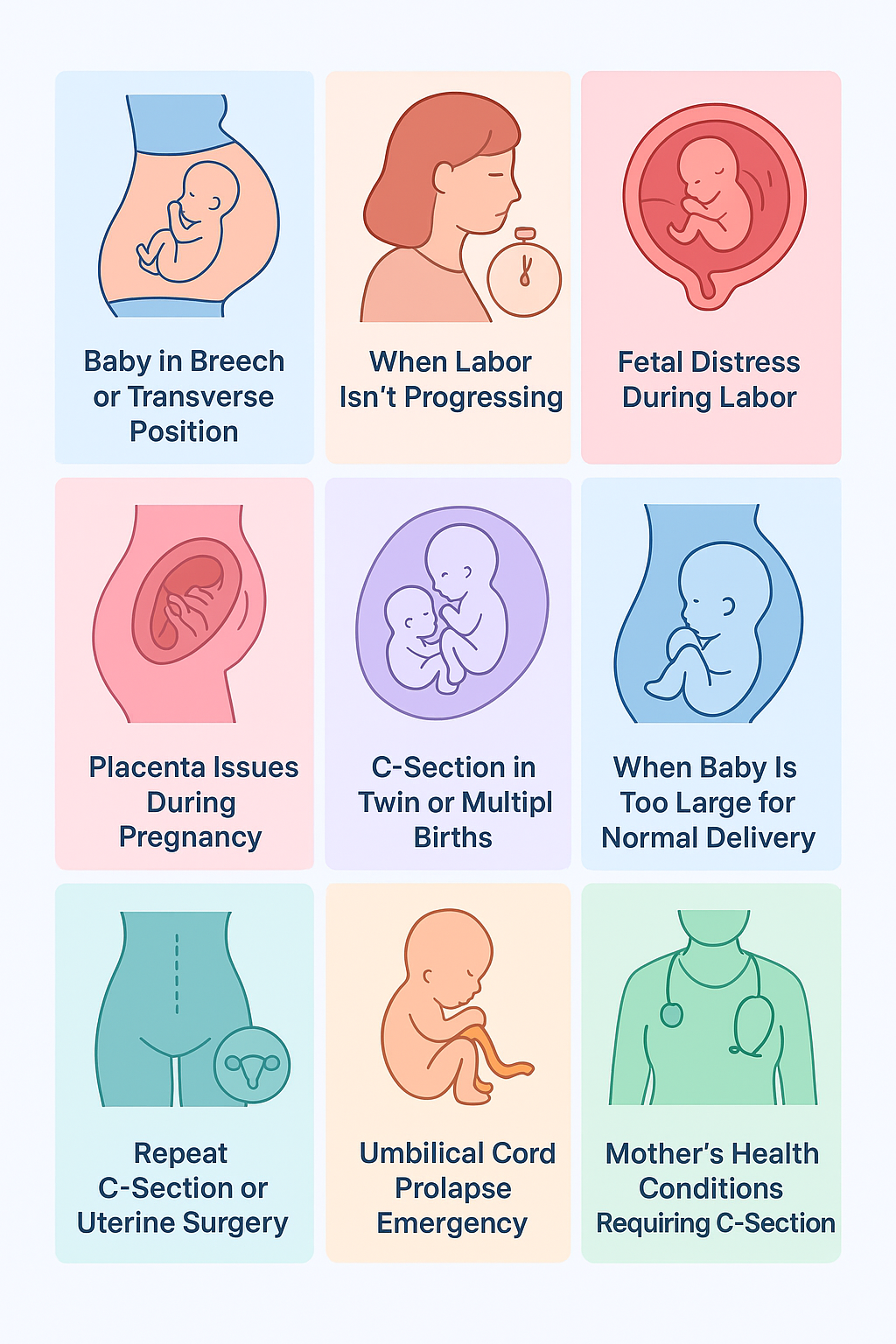
Doctors usually recommend a C-section when:
- The baby is not in the right position
- Labor isn’t progressing
- There’s a risk to the baby’s oxygen levels
- The mother’s health is at risk
Let’s look at these signs in detail.
🚨 1️⃣ Baby in Breech or Transverse Position
In a normal delivery, the baby’s head should be facing downward.
But if the baby is breech (feet or buttocks first) or transverse (lying sideways) even after 36–37 weeks, a vaginal delivery can become difficult and risky.
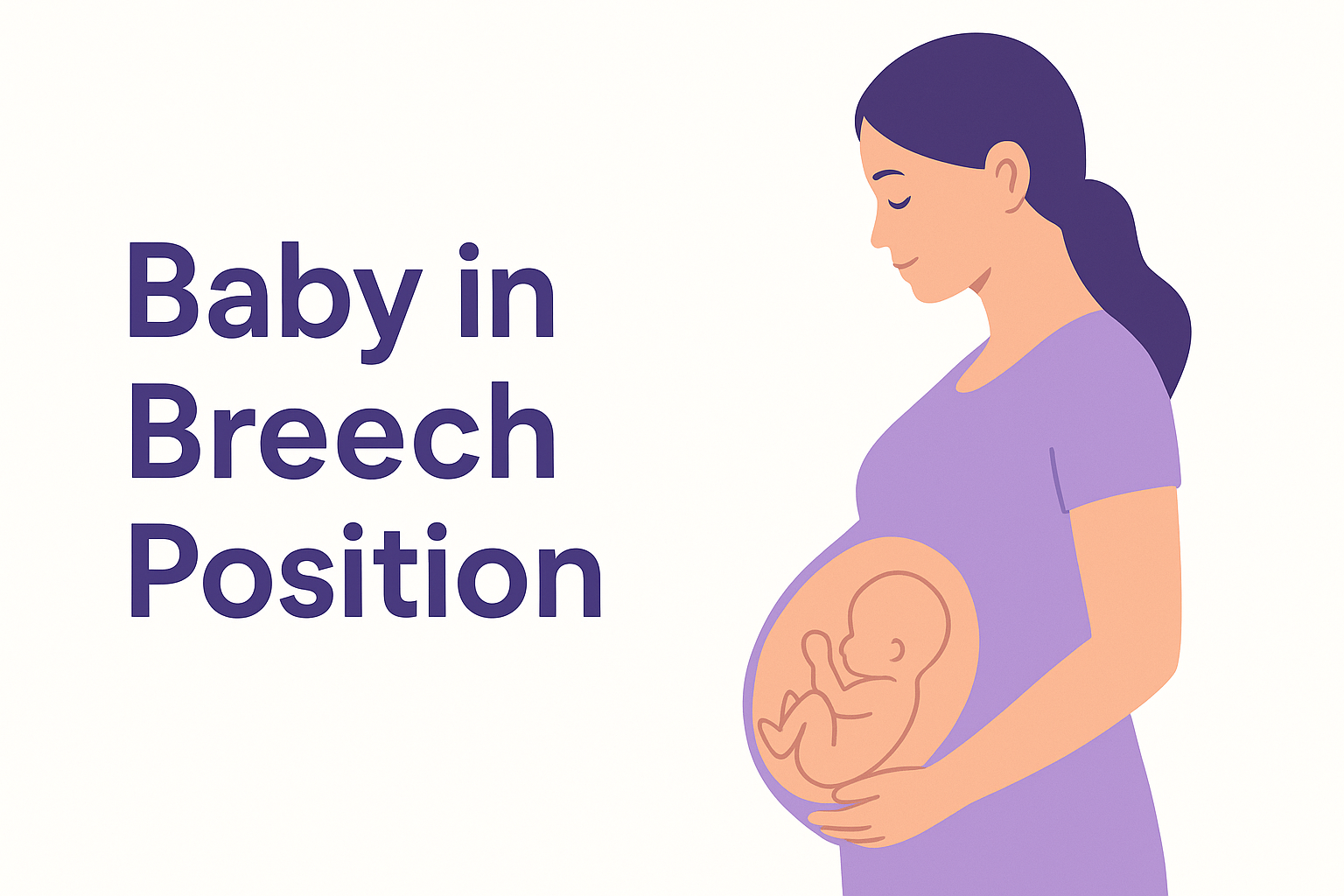
➡️ In such cases, doctors may suggest a planned C-section to prevent injury or breathing problems during birth.
Tip: Regular ultrasounds in the final month help your doctor identify your baby’s position early.
⏱️ 2️⃣ Labor That Isn’t Progressing
Sometimes, even after hours of contractions, the cervix doesn’t dilate enough or contractions weaken. This is called “prolonged labor.”
When the baby doesn’t move down the birth canal or the mother becomes exhausted, doctors may switch to a C-section to ensure a safe delivery.
👉 Keyword insight: This is one of the most common “signs you may need a C-section.”
❤️ 3️⃣ Fetal Distress (Baby’s Heart Rate Drops)
Doctors continuously monitor your baby’s heartbeat during labor.
If the heartbeat drops or shows irregular patterns, it could mean the baby isn’t getting enough oxygen.
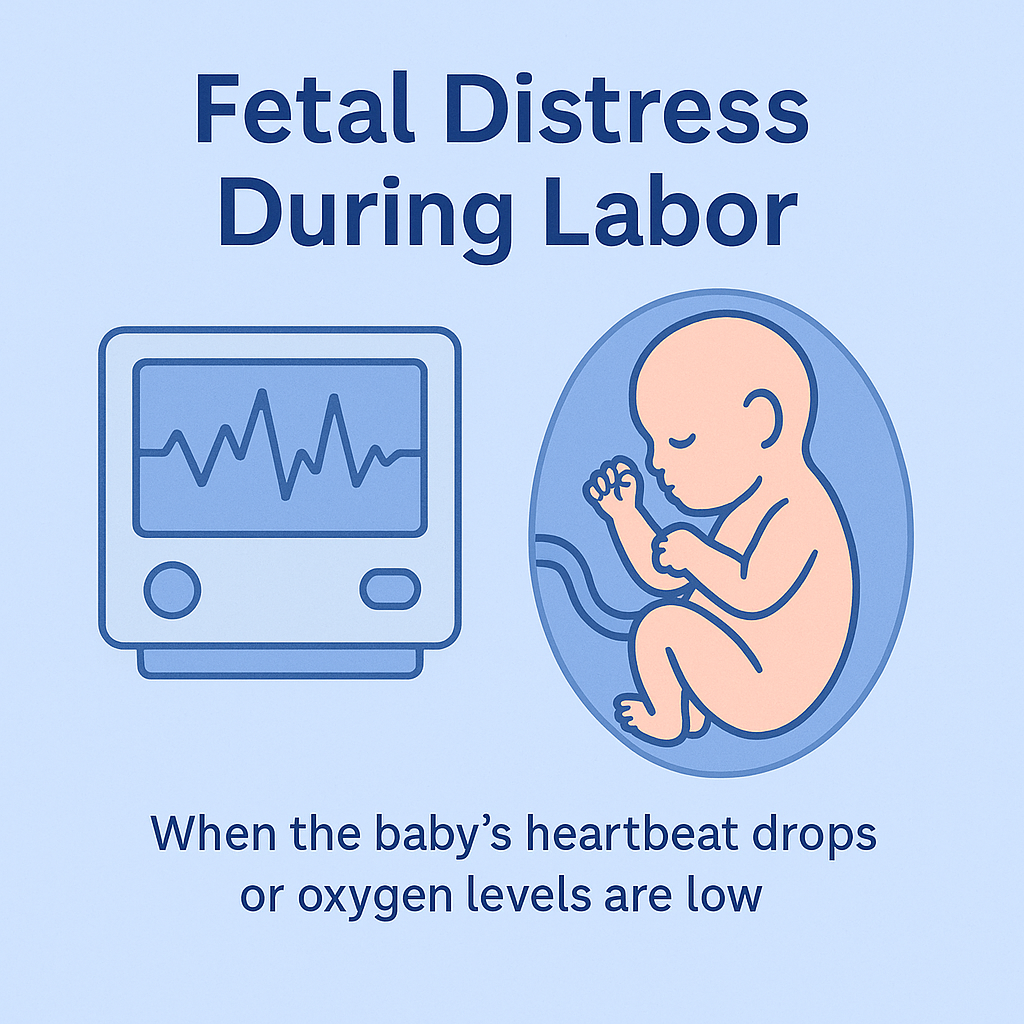
In this case, doctors may perform an emergency C-section to deliver the baby quickly and safely.
Remember: Fetal distress doesn’t mean failure — it means your medical team is doing everything to protect your baby.
🌼 4️⃣ Placenta Problems
Two placenta issues often lead to a C-section:
- Placenta Previa: When the placenta covers the cervix (baby’s exit path).
- Placental Abruption: When the placenta separates too early from the uterus.
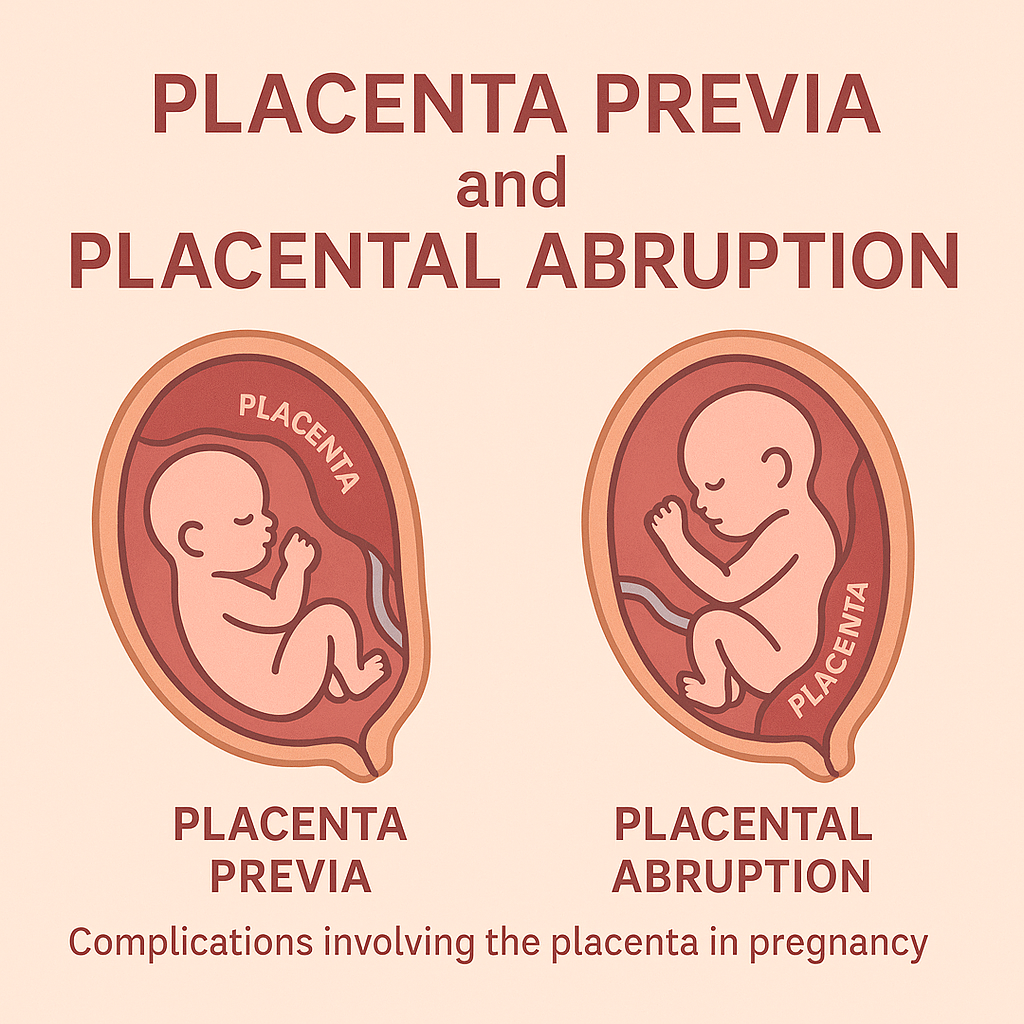
Both can cause heavy bleeding and are dangerous for both mother and baby.
In these cases, a C-section is performed immediately to save lives.
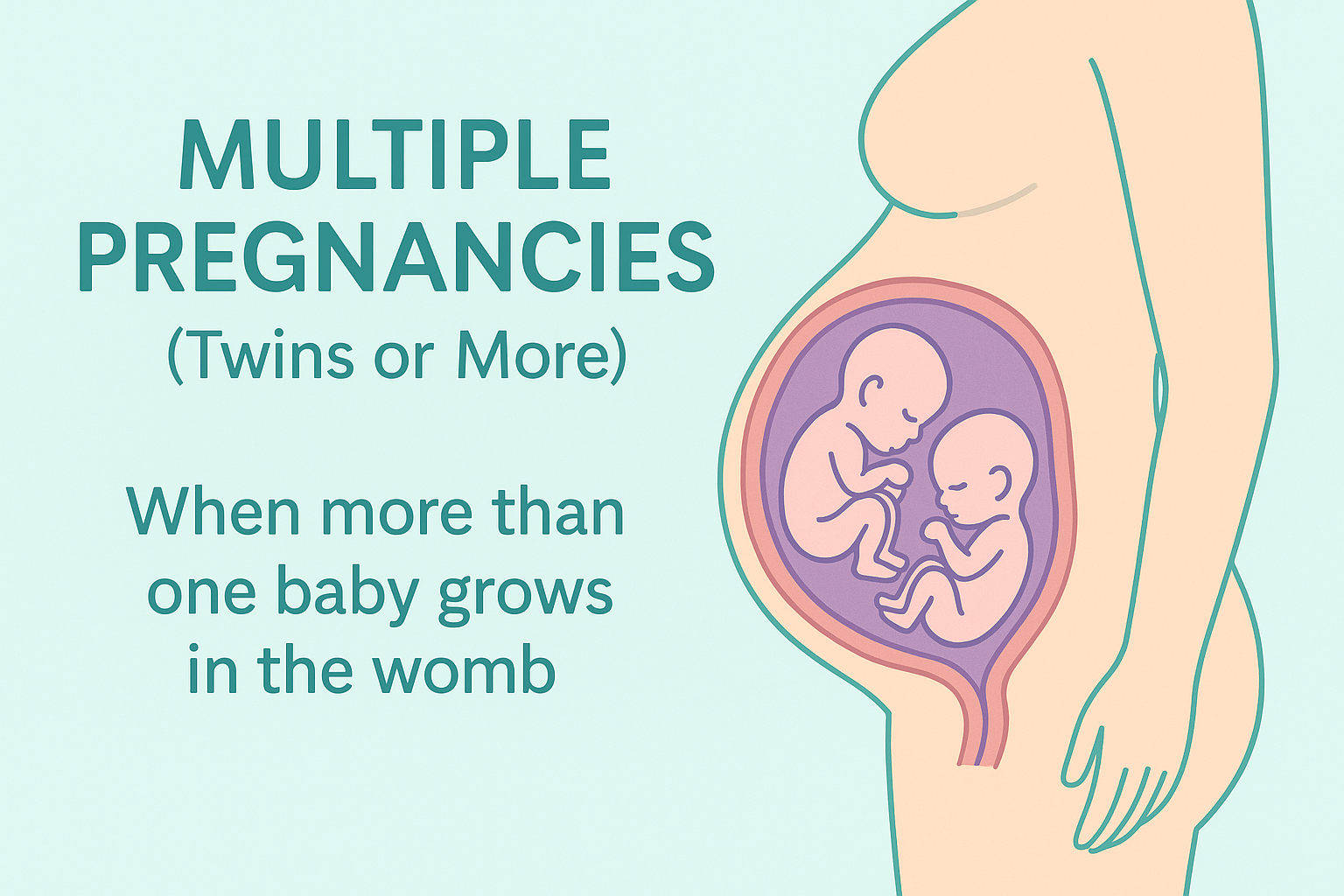
👶 5️⃣ Twins or Multiple Pregnancies
If you’re carrying twins or triplets, your doctor may recommend a C-section.
When one or more babies are not positioned head-down, or when space inside the womb is limited, vaginal delivery becomes complicated.
A planned C-section helps ensure that all babies are born safely without distress.
⚖️ 6️⃣ A Large Baby (Macrosomia)
Sometimes, babies grow larger than expected — often due to gestational diabetes or family history.
If your baby is over 4 kg, there’s a chance of the baby getting stuck during normal delivery.
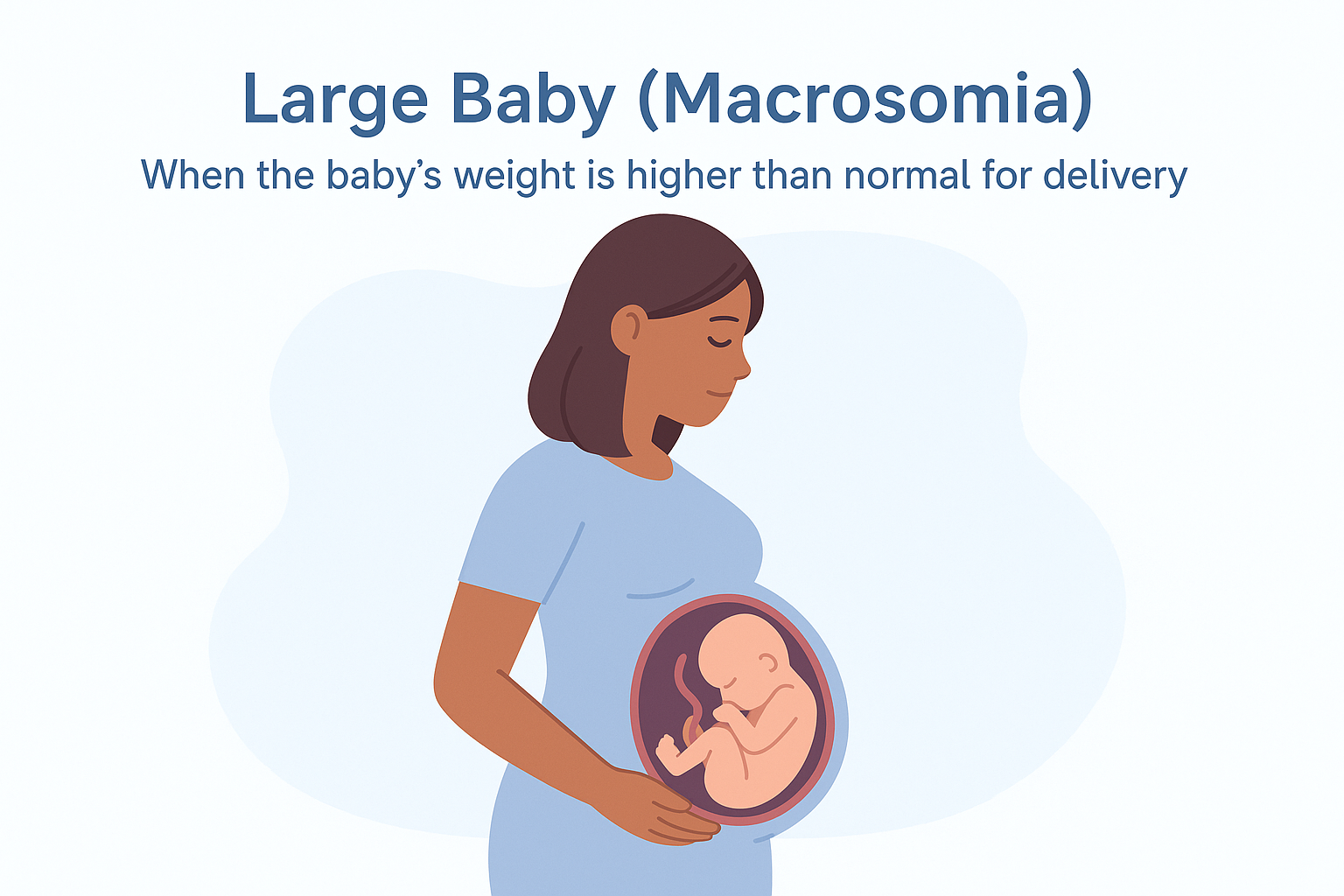
In such cases, a C-section prevents complications like shoulder injury to the baby or excessive bleeding for the mother.
💉 7️⃣ Previous C-Section or Uterine Surgery
If you’ve had a previous C-section or any uterine surgery, your doctor may carefully evaluate your scar.
Some mothers can still have a VBAC (Vaginal Birth After Cesarean) — but if the scar is thin or vertical, a second C-section might be safer.
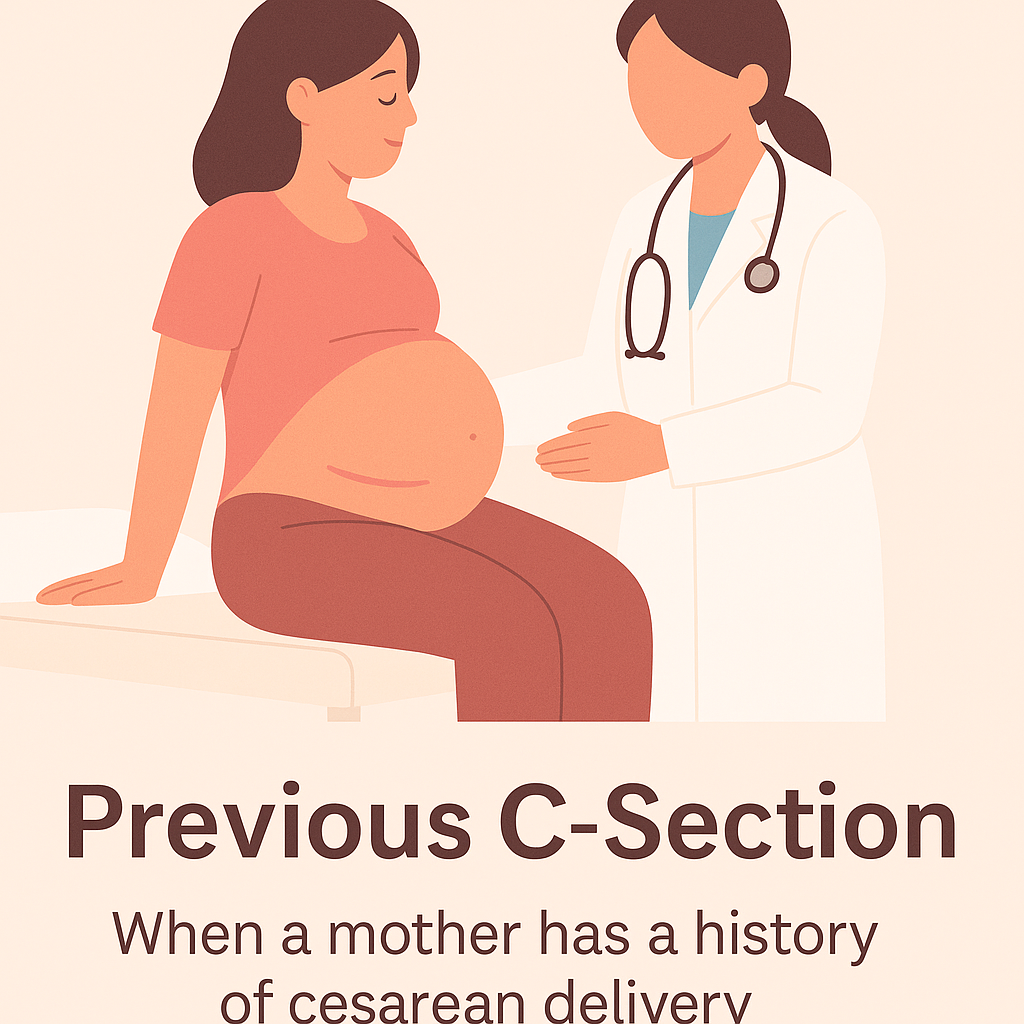
Every birth is different — your body’s healing and scar type matter most.
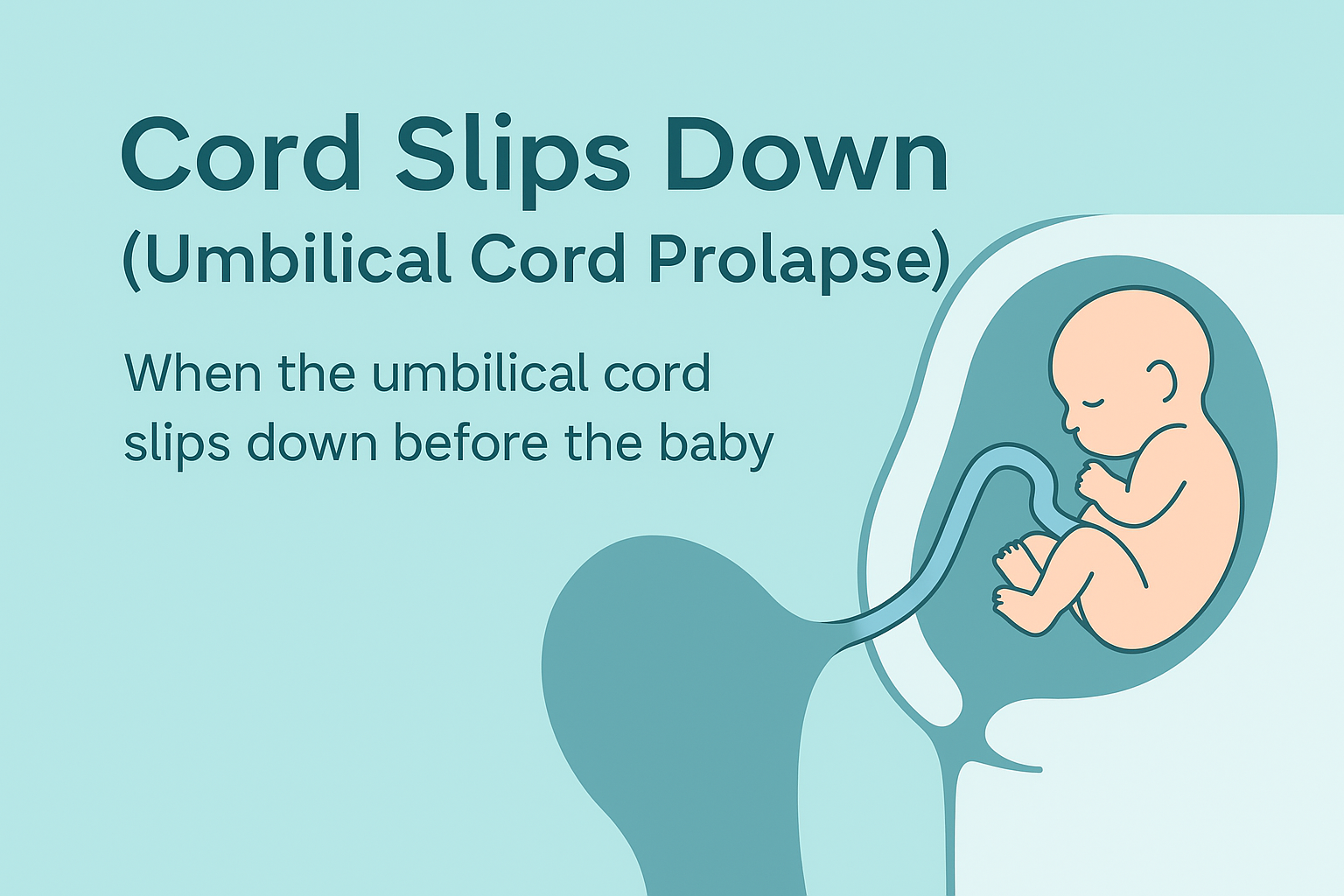
🪢 8️⃣ Umbilical Cord Problems
If the umbilical cord slips down before the baby (cord prolapse) or wraps around the baby’s neck tightly, it can reduce oxygen supply.
This is a rare but urgent situation.
In such cases, doctors perform an emergency C-section to protect the baby immediately.
💊 9️⃣ Mother’s Health Conditions
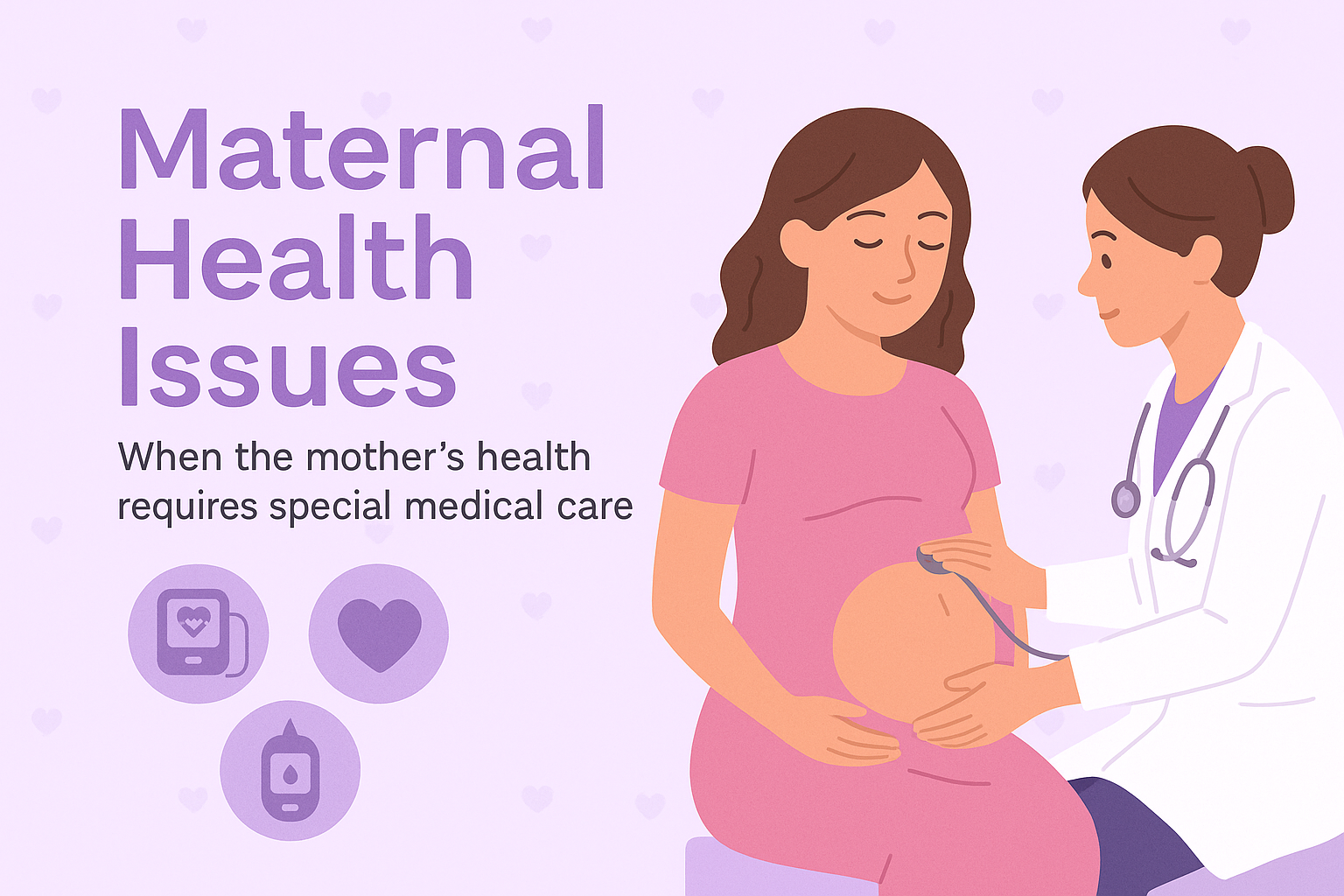
If the mother has conditions like:
- High blood pressure (Pre-eclampsia)
- Gestational diabetes
- Heart disease
- Severe infection or fibroids
A C-section might be planned to reduce complications during delivery.
The goal is always one thing — safe mother, safe baby.
🩺 Planned vs Emergency C-Section: What’s the Difference?
| Type | When It Happens | Why It’s Done |
|---|---|---|
| Planned C-Section | Before labor begins | Known issues like breech, placenta previa, or twins |
| Emergency C-Section | During labor | Sudden fetal distress, slow labor, or cord complications |
In both cases, doctors prioritize your safety and ensure you receive proper anesthesia, pain relief, and aftercare.
🕊️ Emotional Side: It’s Okay to Need a C-Section
Many mothers feel guilty or disappointed when told they need surgery. But remember this truth:
A C-section doesn’t define your strength — your love and courage do. 💜
Bringing a baby safely into the world, no matter how, is the most powerful act of motherhood.
After recovery, your scar becomes a symbol of life, love, and resilience.
🌷 How to Prepare Mentally for a Possible C-Section
- Learn about it early: Talk to your doctor about possibilities.
- Stay calm: Stress can slow healing. Practice deep breathing.
- Prepare your hospital bag: Include loose clothes, maternity pads, and soft underwear.
- Have support: A calm partner or family member helps you emotionally.
Knowledge gives you confidence and confidence makes the journey smoother.
✨ Final Words
Needing a C-section doesn’t make your story less beautiful. It makes it stronger.
Every scar tells a story of survival, courage, and unconditional love.
Whether your delivery is natural or surgical, what truly matters is a healthy mom and a healthy baby.
So, if your doctor suggests a C-section, remember . t’Is not a failure, It’s a safe beginning.
Leave a Reply